What Might Be Happening and When to Seek Care
Waking up with neck pain that limits how far you can turn your head can be unsettling. One moment you are fine, the next your neck feels locked, stiff, or sharp with movement. This situation is common and often related to how the neck joints, discs, and muscles respond to stress during rest.
Most cases are not dangerous, but they should not be ignored either. Understanding what is happening inside the neck helps you decide what steps make sense next.
What This Type of Neck Pain Usually Feels Like
People often describe this problem in similar ways. Turning the head to one side feels restricted or painful. There may be a pulling or catching sensation at the base of the skull or along the shoulders. Some feel soreness that improves slowly during the day, while others notice the pain worsens with movement.
In certain cases, discomfort can extend into the upper back or shoulders. This often points to joint or disc involvement rather than simple muscle soreness.
Why Neck Pain Can Appear Overnight
The neck supports the head for hours at a time during sleep. If the spine is placed in an awkward position, pressure builds gradually without you noticing. Muscles tighten to protect joints. Spinal discs can become compressed. When you wake up and try to move, the restriction becomes obvious.
Common contributing factors include poor pillow support, sleeping with the neck rotated for long periods, prolonged screen use the day before, or existing spinal tension that finally crosses a threshold.
When the Neck Cannot Turn Freely
Limited range of motion often signals irritation within the cervical spine. This may involve facet joints, discs, or surrounding soft tissue. While mild muscle strain usually improves with light movement, joint or disc related pain tends to feel sharper and more restrictive.
If pain keeps returning, lasts several days, or interferes with normal activities, it may point to compression in the cervical spine that needs professional attention.
At Home Steps That May Help Early On
Gentle movement within a comfortable range can help reduce stiffness. Heat can relax tight muscles, while cold may calm inflammation during the first day. Avoid sudden stretches or forcing rotation, as this can aggravate irritated structures.
If pain increases, movement becomes more limited, or symptoms spread into the arms, self care alone is no longer enough.
When Neck Pain Signals Something More
Persistent stiffness, recurring episodes, numbness, tingling, or pain that radiates toward the shoulders or arms can indicate pressure affecting spinal nerves. This often originates from disc compression or joint dysfunction in the neck.
At this stage, assessment matters. Treating only surface symptoms may delay real improvement.
How Spinal Decompression Therapy Fits Into Neck Pain Care
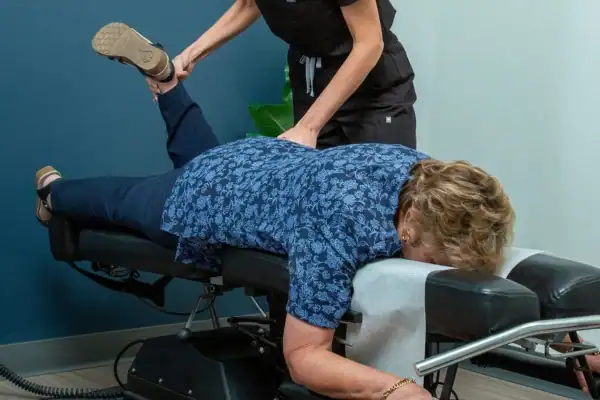
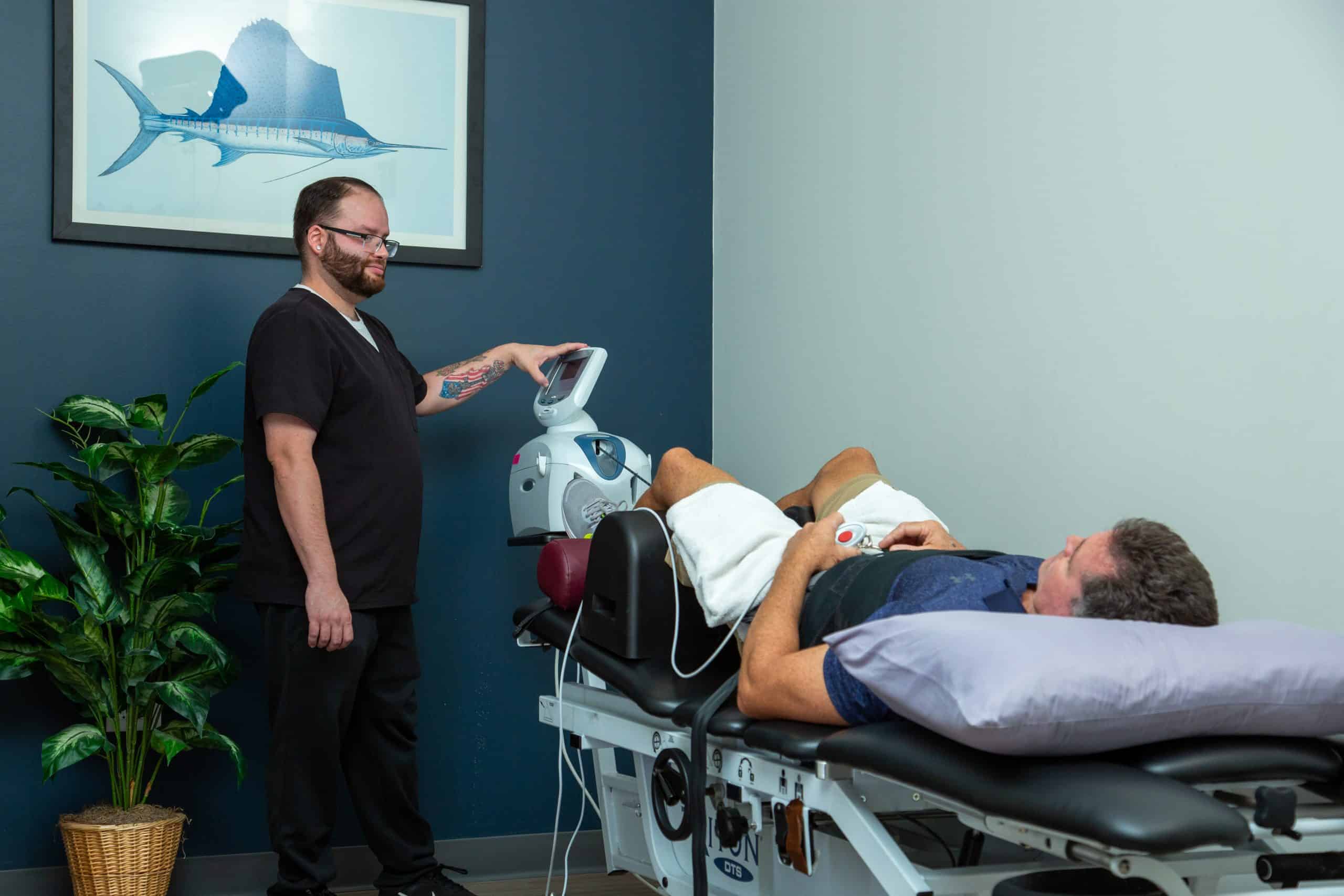
Spinal decompression therapy focuses on reducing pressure within the spine. In the cervical region, this means gently creating space between vertebrae to relieve disc stress and nerve irritation. The goal is not forceful movement, but controlled traction that supports healing conditions inside the spine.
At Pavlik Health, spinal decompression therapy is used as part of a broader clinical approach for patients whose neck pain does not resolve with rest or basic care. It is particularly relevant when stiffness is linked to disc compression, joint restriction, or recurring neck tension.
Rather than masking discomfort, this type of care addresses the mechanical source contributing to limited movement.
Why Education Comes First
Not every stiff neck points to spinal decompression therapy. Proper evaluation still matters. Understanding what is actually causing your symptoms helps guide appropriate care and reduces the risk of unnecessary treatment.
When neck pain keeps returning or limits movement beyond a short flare up, learning how the spine responds to pressure and strain becomes an important next step. A clear explanation of how spinal decompression therapy works, including methods, benefits, and recovery time, helps people make informed decisions before moving forward.
In many cases, early non surgical care can help restore motion, reduce tension, and prevent minor neck issues from turning into longer term problems.
A Thoughtful Path Forward
Neck pain that appears overnight often has a physical explanation tied to spinal mechanics. Paying attention early, rather than pushing through discomfort, can prevent longer term issues.
If symptoms persist or return often, professional evaluation can clarify whether spinal decompression therapy or another form of care fits your situation. Pavlik Health approaches this process with assessment first, treatment second, and long term spinal health as the goal.
Frequently Asked Questions About Waking Up With Neck Pain
- Can sleeping wrong cause neck pain that limits movement?
- Yes. Sleeping with poor neck support or holding the head in one position for hours can place stress on cervical joints and discs. This can lead to stiffness, muscle guarding, and restricted motion when you wake up.
- Why does my neck feel locked when I try to turn it?
- A locked or stuck feeling often comes from joint irritation or disc pressure in the cervical spine. Muscles tighten as a protective response, which further limits movement and makes turning the head painful.
- How long should neck stiffness last after waking up?
- Mild stiffness may ease within a day as tissues relax. Pain that lasts several days, keeps returning, or worsens with movement may signal deeper spinal involvement and should be checked by a provider.
- When is neck pain more than just a muscle strain?
- If pain limits range of motion, returns often, or spreads into the shoulders or arms, muscles alone may not be the issue. Disc compression or joint dysfunction are common contributors in these cases.
- Can spinal decompression help neck pain you wake up with?
- Spinal decompression therapy may help when neck pain is related to disc pressure or reduced space between cervical vertebrae. The therapy focuses on reducing compression rather than forcing movement.
- Should I seek care if neck pain keeps coming back?
- Yes. Repeated episodes suggest an underlying spinal issue rather than a one time strain. An evaluation can identify the cause and guide appropriate care before symptoms progress.