Written by Daniel J. Pavlik, Jr., D.C.
Sciatica can be genuinely frustrating because it often feels like it’s getting better, then suddenly returns. You rest, stretch, take medication, or avoid activity for a few days and feel real relief. Then the pain comes back after sitting too long, lifting something, driving, sleeping in the wrong position, or simply returning to your normal routine.
The main reason recurring sciatica happens is that pain can calm down before the underlying cause is ever fully addressed. If the sciatic nerve is still being irritated by a disc problem, tight muscles, weak core support, poor movement habits, or changes in the spine, symptoms can return again and again, sometimes for reasons that have little to do with anything you did wrong that week.
Key Takeaways
- Recurring sciatica often happens because the root cause of nerve irritation was never fully addressed, only calmed.
- Pain relief does not always mean the problem is fully fixed.
- Common causes include disc problems, spinal narrowing, tight muscles, weak core support, and poor movement habits.
- Sitting too long, bending, twisting, lifting poorly, or sudden activity can trigger another flare-up.
- Rest, medication, heat, ice, and injections may help temporarily, but they don’t always solve the underlying issue.
- Long-term improvement usually depends on better movement, stronger support muscles, and addressing what is actually irritating the nerve.
- Seek urgent care if sciatica comes with bladder or bowel changes, numbness in the groin area, or worsening leg weakness.
Why Does Sciatica Keep Coming Back?
Sciatica usually returns when the sciatic nerve becomes irritated again after a period of temporary relief. The nerve runs from the lower back down into the buttock, leg, and foot, and when something irritates or compresses it, pain can travel along that entire pathway as sharp pain, burning, tingling, numbness, or weakness.
The important thing to understand is that sciatica is a symptom, not a condition in itself. The pain signals that something, a disc issue, spinal narrowing, muscle tightness, joint dysfunction, or a movement pattern, is irritating the nerve. Pain can significantly improve once swelling and inflammation calm down, but if the original problem is still there, daily activities can trigger the nerve again. That’s exactly why sciatica can seem to disappear for a while and then come back.
This isn’t rare or unusual. A study published via PMC on evidence-based sciatica prognosis found that 25% of patients treated non-surgically experienced a recurrence of leg pain within one year after their initial symptoms had resolved. If your sciatica has come back, you are far from alone, and it doesn’t necessarily mean anything went wrong with your original treatment.
Common Reasons Sciatica Returns

Several issues can make sciatica more likely to return, and in many cases more than one factor is involved at once.
Disc-Related Nerve Irritation
A herniated or bulging disc is one of the most common causes, and even after pain improves, the disc may still be sensitive, so sitting for long periods, bending forward, twisting, or lifting with poor form can place renewed pressure on the area and trigger symptoms again. This doesn’t mean every flare-up is a new injury. Often it means the same irritated area is simply being stressed a second time.
Spinal Stenosis
Spinal stenosis, a narrowing of the spaces around the spinal nerves, can also keep pressure on the nerve, and when there’s less room around it, ordinary movement like standing, walking, or bending can bring symptoms back, more common as people age but vary person to person. Tight muscles in the hips, glutes, hamstrings, or piriformis area add to the problem too, since overworked or tight muscles increase tension around the lower back and pelvis, making the nerve more sensitive during sitting, walking, or exercise.
Movement and Activity Triggers
Weak core, hip, and glute muscles play a role as well, since these muscles support the lower back during everyday movement, and when they’re underconditioned, the lower back takes on more stress than it should, especially during lifting, climbing stairs, bending, or standing for long stretches. Poor movement habits compound all of this. Bending from the waist instead of using the legs, twisting while lifting, sitting with poor posture, spending hours in the same position, sleeping with the lower back or hips twisted, or ramping up activity too quickly after pain improves can all keep stressing the same irritated area, even though none of these habits feel serious in the moment.
Everyday Triggers That Can Cause a Flare-Up
Sciatica can return after completely normal daily activities, especially once the nerve is already sensitive. Sitting for long periods is one of the most common triggers, since it increases pressure on the lower back, especially with poor posture or unsupportive seating, and long drives make this worse because the body stays in one position for an extended stretch. Bending and twisting together is another frequent culprit, placing extra stress on the lower back, especially when lifting something heavy at the same time.
Other common triggers include sitting on soft or unsupportive furniture, sleeping in a position that twists the lower back, sudden increases in exercise or yard work, a general lack of regular movement, and simply having weak core, hip, or glute muscles to begin with.
Why Temporary Relief Does Not Always Last
Temporary relief is helpful, but it doesn’t always mean the cause of sciatica is fixed. Rest, heat, ice, medication, and injections can calm pain and inflammation, helping someone get through a painful flare-up, but they may not correct the deeper issue that caused the nerve irritation in the first place. Pain can improve while you rest, but if you return to the same sitting habits, lifting mechanics, weak core support, or tight muscles, the nerve can become irritated again.
Feeling better is not always the same as being fully recovered, which is exactly why long-term improvement often requires more than simply waiting for the pain to calm down.
What Helps Reduce Recurring Sciatica?
The best approach depends entirely on what’s actually irritating the nerve, and for many people, reducing recurring sciatica means combining short-term symptom relief with better long-term support for the lower back. That can include finding the actual source of nerve irritation, improving core, hip, and glute strength, stretching tight muscles safely, improving posture and sitting habits, learning better lifting mechanics, taking breaks from long periods of sitting, avoiding sudden spikes in activity, and managing weight if extra pressure is contributing to the problem.
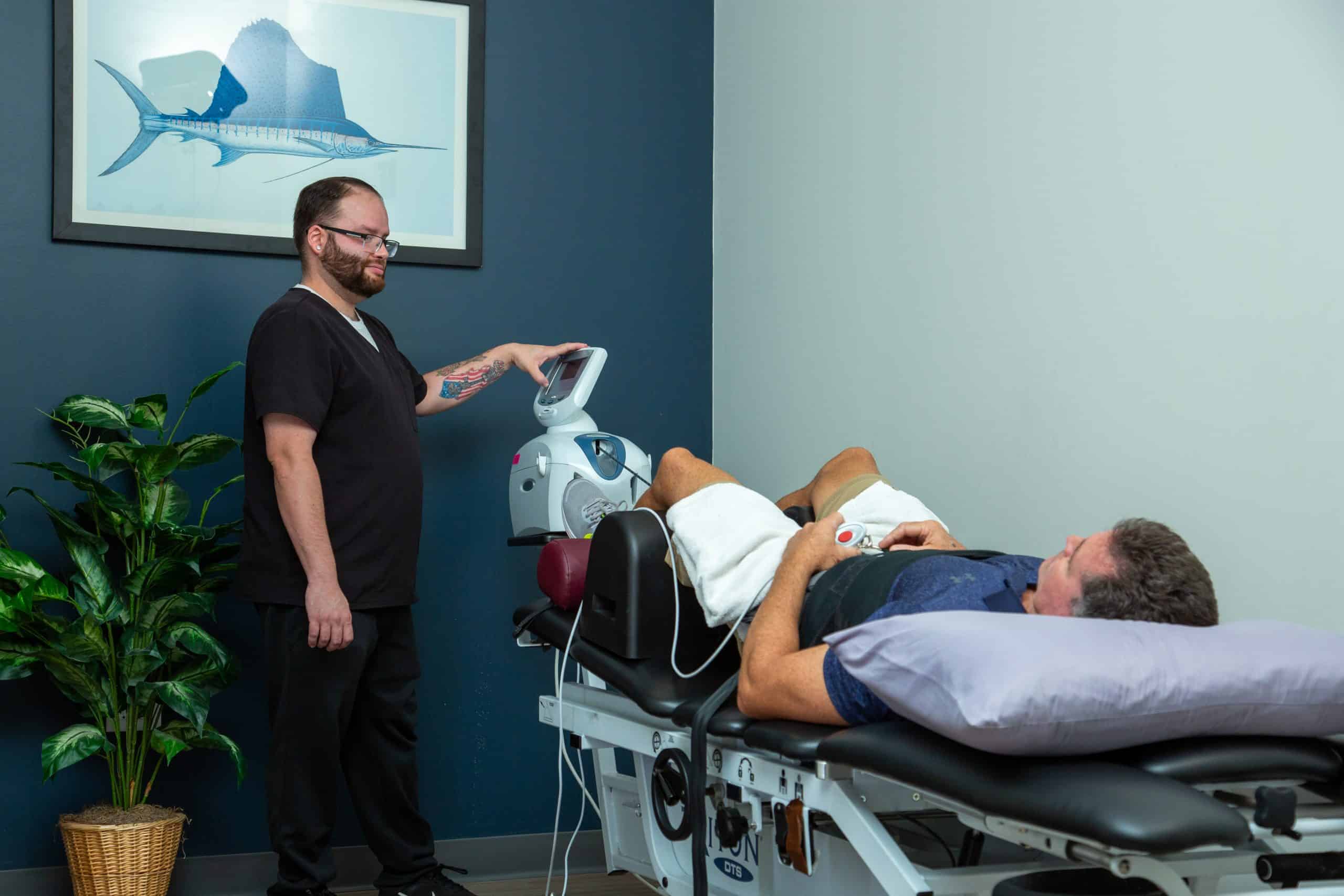
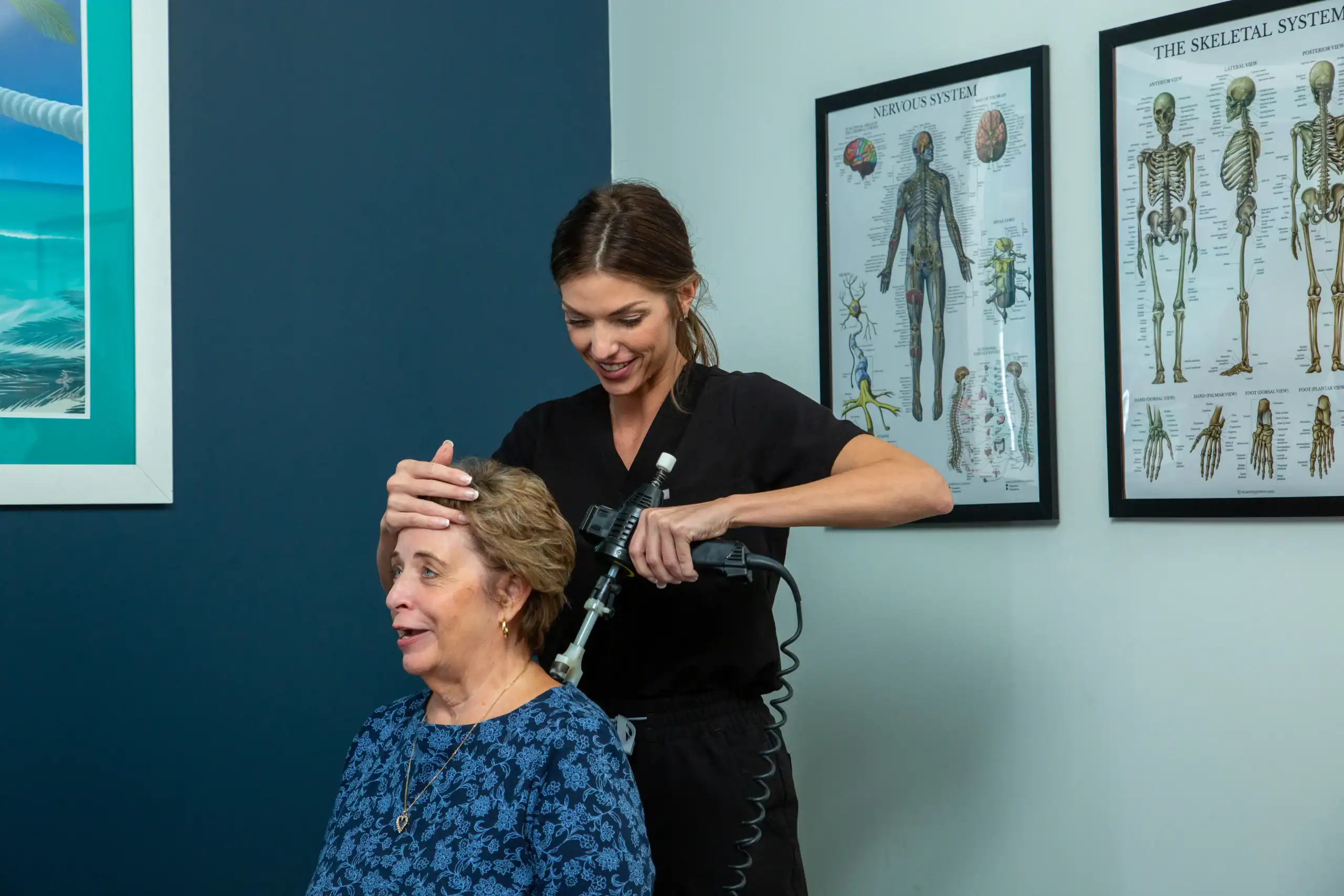
Some people benefit from physical therapy, chiropractic care, spinal decompression therapy, medication, injections, or other treatments. The key across all of these options is that treatment should focus on why the nerve keeps getting irritated, not just on quieting the pain.
When Recurring Sciatica May Be More Likely
Certain factors can make sciatica more likely to return, including sedentary work, physically demanding jobs, previous back injuries, age-related spine changes, excess body weight, smoking, diabetes, poor overall conditioning, and weak core muscles. None of these guarantee that sciatica will become chronic, but they can make the lower back, discs, muscles, or nerves more vulnerable to repeated irritation over time.
When Should You See a Doctor for Sciatica That Keeps Coming Back?
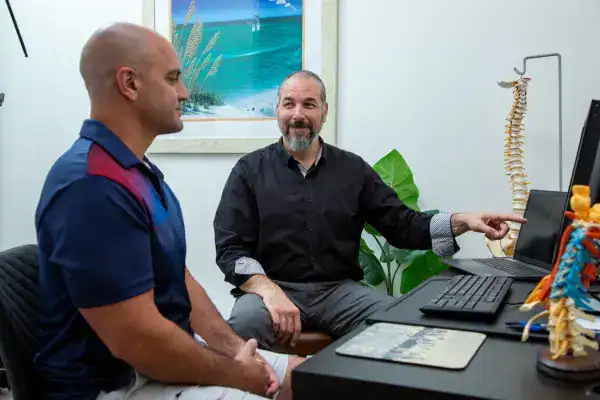
Recurring sciatica shouldn’t be ignored, especially if it keeps disrupting daily life. Consider getting evaluated if:
- Pain lasts more than a few weeks
- Symptoms keep returning after short-term relief
- Pain is getting worse rather than staying stable
- It’s affecting work, sleep, walking, or normal activity
- Notice numbness, tingling, or weakness,
- Pain is traveling farther down the leg or into the foot
A proper evaluation can help identify whether the pain relates to a disc issue, spinal narrowing, muscle tension, joint dysfunction, or another cause entirely, something that’s genuinely hard to determine on your own.
Sciatica Red Flags You Should Not Ignore
Most sciatica is not a medical emergency, but some symptoms need urgent attention right away. Seek medical care immediately if sciatica comes with:
- Loss of bladder or bowel control
- Numbness in the groin or saddle area
- Severe or worsening leg weakness
- Pain
- Numbness
- Tingling down both legs
- Fever alongside back pain
- Unexplained weight loss
- Pain following a major fall, accident, or trauma
These symptoms can point to a more serious problem and should never wait for a scheduled appointment.
How to Help Prevent Sciatica From Coming Back
Preventing recurring sciatica usually starts with reducing whatever keeps irritating the nerve in the first place.
- Take breaks from sitting every 30 to 60 minutes
- Strengthen your core, hips, and glutes
- Avoid bending and twisting at the same time
- Lift with your legs instead of your lower back
- Keep your spine supported while sitting
- Avoid long periods on soft, unsupportive furniture all help meaningfully
- Sleep in a position that keeps your hips and lower back aligned
- Ease back into exercise rather than doing too much too soon
- Stay consistent with any stretches or exercises a provider recommends
- Address recurring symptoms early instead of waiting for a severe flare-up
The goal isn’t to avoid all movement. In most cases, the real goal is moving better, building genuine support, and reducing the habits that keep triggering the same irritated nerve.
Frequently Asked Questions
Why does sciatica go away and come back?
Sciatica often improves when inflammation calms down, then returns when the underlying nerve irritation gets triggered again, whether that’s from a disc problem, tight muscle, weak core, or a movement habit that’s still present.
Can sitting too much make sciatica come back?
Yes. Sitting for long periods increases pressure on the lower back and tightens muscles around the hips and glutes, which can make sciatica more likely to flare up, especially if the nerve is already sensitive.
Is recurring sciatica serious?
Not always. Many cases relate to unresolved movement, muscle, or spine issues that haven’t fully healed. It should be evaluated, though, if it keeps coming back, worsens, causes weakness, or starts affecting daily activities.
Can sciatica come back after treatment?
Yes, and it’s genuinely common. Research suggests roughly a quarter of people treated non-surgically experience a recurrence within a year of initial improvement, since treatment can reduce pain without fully resolving what triggered it.
What is the best way to stop chronic sciatica from coming back?
Identifying what’s actually irritating the nerve, improving strength and mobility, reducing daily triggers, and building better movement habits, ideally with guidance from a qualified provider who can pinpoint the specific cause.
Getting to the Real Cause of Your Recurring Sciatica at Pavlik Health
Sciatica that keeps coming back is not a sign of bad luck or a stubborn body. It’s usually a sign that whatever irritated the nerve the first time is still there, just quieter for a while. Rest and temporary relief can help you get through a flare-up, but they don’t answer the question that actually matters: why does this keep happening in the first place?
That’s the question a proper evaluation is built to answer. At Pavlik Health + Wellness, our provider-led team looks past the pain itself to find what’s actually driving your recurring sciatica, then builds a plan around that specific cause instead of just managing symptoms flare-up after flare-up. If sciatica keeps interrupting your life, request an appointment and get a real answer about why it keeps coming back.