Back pain remains one of the most common reasons people seek medical care, often caused by spinal compression that irritates nerves and restricts movement. When pressure builds within the spine whether from a herniated disc, degenerative disc disease, or poor posture it can trigger pain, numbness, and stiffness that limit daily activity. Spinal decompression therapy provides a proven, non surgical way to relieve this pressure and support the body’s natural healing response.
At Pavlik Health + Wellness, we offer spinal decompression therapy in Orlando as part of our integrated approach to restoring spinal health and mobility. This treatment helps patients find lasting relief without the risks or recovery time associated with surgery.
How Spinal Decompression Works
Spinal decompression therapy works by gently stretching the spine to relieve built up pressure on spinal discs and the soft, gel-like cushions between vertebrae. This controlled traction creates negative pressure within the disc space, allowing herniated or bulging discs to retract and relieving pressure on nearby nerves.
By reducing compression, spinal decompression improves nutrient and oxygen flow to the discs, encouraging healing in tissues that typically receive limited circulation. This process helps reduce inflammation, promote realignment, and restore proper disc height, easing chronic lower back and neck pain.
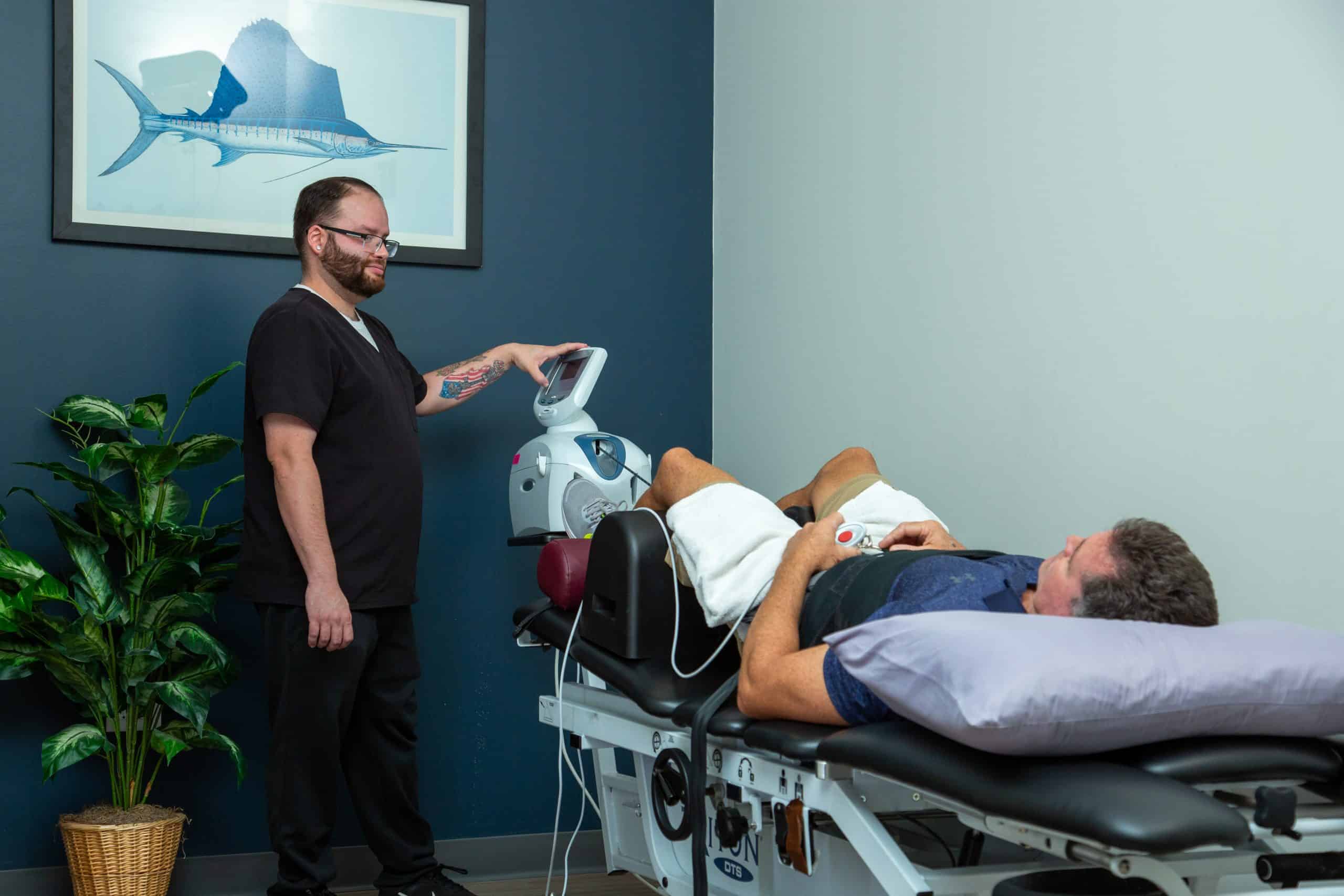
During treatment, patients lie comfortably on a motorized decompression table. The device alternates between gentle pulling and relaxing cycles, customized to the patient’s condition. These movements are carefully controlled by computer sensors that monitor resistance, ensuring consistent traction without strain.
Conditions That Benefit from Spinal Decompression
Spinal decompression therapy is effective for a range of conditions that stem from disc and nerve pressure, including:
- Herniated or bulging discs: When part of a disc protrudes outward and compresses a nerve root.
- Degenerative disc disease: Age related thinning or dehydration of spinal discs.
- Sciatica: Radiating pain caused by compression of the sciatic nerve.
- Spinal stenosis: Narrowing of the spinal canal leading to nerve crowding.
- Chronic back or neck pain: Pain that persists despite conventional treatments.
Many people seeking spinal decompression experience these issues due to long hours of sitting, repetitive strain, or previous injuries. Decompression therapy provides an evidence based solution to help restore comfort and flexibility for these conditions.
Types of Spinal Decompression
Non-Surgical Spinal Decompression Therapy
Non surgical decompression uses motorized traction to gently separate the vertebrae and reduce intradiscal pressure. Unlike manual traction, computerized systems precisely adjust the force and angle of pull to target specific spinal segments.
Sessions typically last 30 to 45 minutes. Most treatment plans involve multiple sessions often two to three per week over several weeks depending on the severity of the condition and patient response.
At Pavlik Health + Wellness, non-surgical decompression is combined with supportive therapies such as chiropractic adjustments, soft tissue release, and corrective exercise. This multidisciplinary approach improves long term spinal stability and pain reduction.
Surgical Decompression (for Severe Cases)
When conservative care fails, spinal decompression may require surgical intervention. Surgical procedures aim to remove tissue or bone pressing on nerves and restore space within the spinal canal. Common techniques include:
- Laminectomy: Removal of part of the vertebral bone (lamina) to relieve pressure.
- Discectomy or microdiscectomy: Removal of the damaged portion of a herniated disc.
- Foraminotomy: Widening of the openings through which nerve roots exit the spine.
- Spinal fusion: Stabilization procedure following decompression to maintain structural integrity.
Surgical options are reserved for patients with severe nerve compression, loss of function, or pain unresponsive to non-invasive methods.
Benefits of Spinal Decompression Therapy
Spinal decompression therapy offers multiple benefits for both short- and long-term back health:
- Pain relief: Reduces pressure on nerves, alleviating pain radiating to arms or legs.
- Improved disc hydration and health: Encourages reabsorption of herniated material and disc healing.
- Enhanced mobility: Restores flexibility and posture, improving day-to-day movement.
- Non-invasive and drug-free: Avoids the side effects and recovery time associated with surgery or medication.
- Improved blood flow and nutrient exchange: Stimulates cellular repair in discs and surrounding tissues.
For many patients, spinal decompression therapy restores confidence in movement and reduces reliance on pain medications. It serves as a safe, long term solution for chronic back or neck discomfort.
Who Is a Good Candidate for Spinal Decompression?
Ideal candidates are individuals with persistent back or neck pain caused by disc-related problems who have not found relief from rest, medication, or physical therapy. Suitable conditions include:
- Bulging or herniated discs
- Degenerative disc disease
- Pinched nerves or sciatica
- Facet joint dysfunction
However, spinal decompression is not recommended for:
- Pregnant women
- Patients with spinal fractures, advanced osteoporosis, or spinal implants
- Those with tumors, infections, or severe instability
What to Expect During Treatment
Each session is designed for patient comfort. You’ll be positioned on the decompression table secured gently at the pelvis and upper body while the device administers cycles of traction and relaxation.
Most patients describe the sensation as a gentle stretching rather than pulling. There is no pain, and many find the treatment relaxing. Afterward, mild soreness may occur, similar to the feeling after a light workout, as spinal tissues adjust to decompression.
Treatment frequency and duration vary by condition, but improvement is often noticeable after several sessions. Each plan is customized to achieve gradual, sustainable relief rather than quick but temporary results.
If you’re interested in spinal decompression Orlando treatments, your provider will create a plan based on imaging, pain patterns, and lifestyle factors to address both symptom relief and long term spinal stability.
Recovery and Aftercare
Recovery from non-surgical spinal decompression requires consistency and supportive care. Most patients resume normal activity immediately after each session, with continued improvement over several weeks.
Rehabilitation may include:
- Targeted exercise: Core strengthening and stretching to support spinal alignment.
- Posture correction: Ergonomic adjustments for work or home environments.
- Hydration and nutrition: Adequate water intake helps maintain disc health.
- Chiropractic or physical therapy follow-up: Reinforces spinal mobility and alignment.
Risks and Limitations
While spinal decompression therapy is generally safe, certain limitations exist. Minor soreness or stiffness may occur after sessions. Severe pain is rare but should be reported to a clinician.
Patients with spinal instability, hardware, or certain medical conditions may require alternative treatments. For those with significant structural damage or neurological symptoms, surgical decompression may provide better long-term outcomes.
Working with qualified providers ensures decompression is performed correctly and monitored for optimal safety.
Spinal Decompression vs. Other Treatments
Compared to traditional traction, spinal decompression offers more precision and control. Computer guided systems can adjust angle, force, and duration in real time, avoiding reflex muscle tightening that limits manual traction.
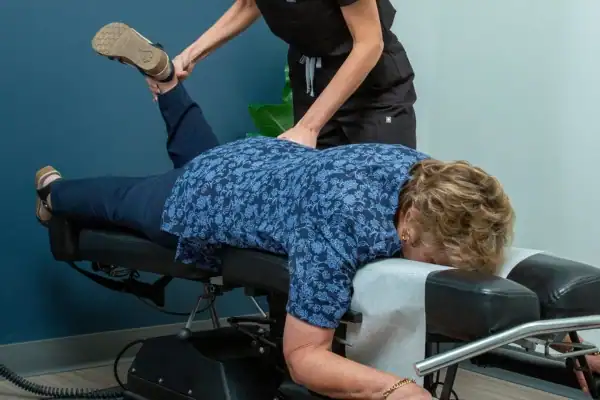
Unlike chiropractic adjustments, which restore joint motion through manipulation, decompression targets disc-level pressure and nerve impingement. It can be used alongside chiropractic and rehabilitative care for enhanced outcomes.
Physical therapy focuses on muscle conditioning and posture; when combined with decompression, it addresses both the structural and functional aspects of spinal pain.
By integrating these approaches, patients achieve faster recovery and more lasting relief.
FAQs About Spinal Decompression Therapy
How long does recovery take?
Most people notice improvement within the first few weeks of consistent sessions. Full benefit may take six to eight weeks depending on condition severity.
Is spinal decompression therapy painful?
No. The therapy involves gentle traction cycles designed for comfort. Some mild post-treatment soreness can occur as the body adapts.
Can everyone receive decompression therapy?
Not everyone is a candidate. Patients with fractures, metal implants, or advanced spinal disease should consult a specialist before starting treatment.
How many sessions are needed?
A typical course involves 15 to 30 sessions, though this varies based on the diagnosis and treatment goals.
Is the relief permanent?
Results last when followed by exercise, posture correction, and proper aftercare. Maintenance sessions may be recommended for chronic pain cases.
Conclusion
Spinal decompression therapy is a safe and scientifically supported method for relieving back and neck pain caused by disc and nerve compression. It restores mobility, reduces pain, and helps patients return to daily life without surgical intervention or prolonged recovery.
For those considering spinal decompression therapy in Orlando, Pavlik Health + Wellness provides individualized treatment plans that blend decompression with evidence based rehabilitation techniques. With consistent care and guided recovery, patients can achieve durable relief and renewed spinal health.