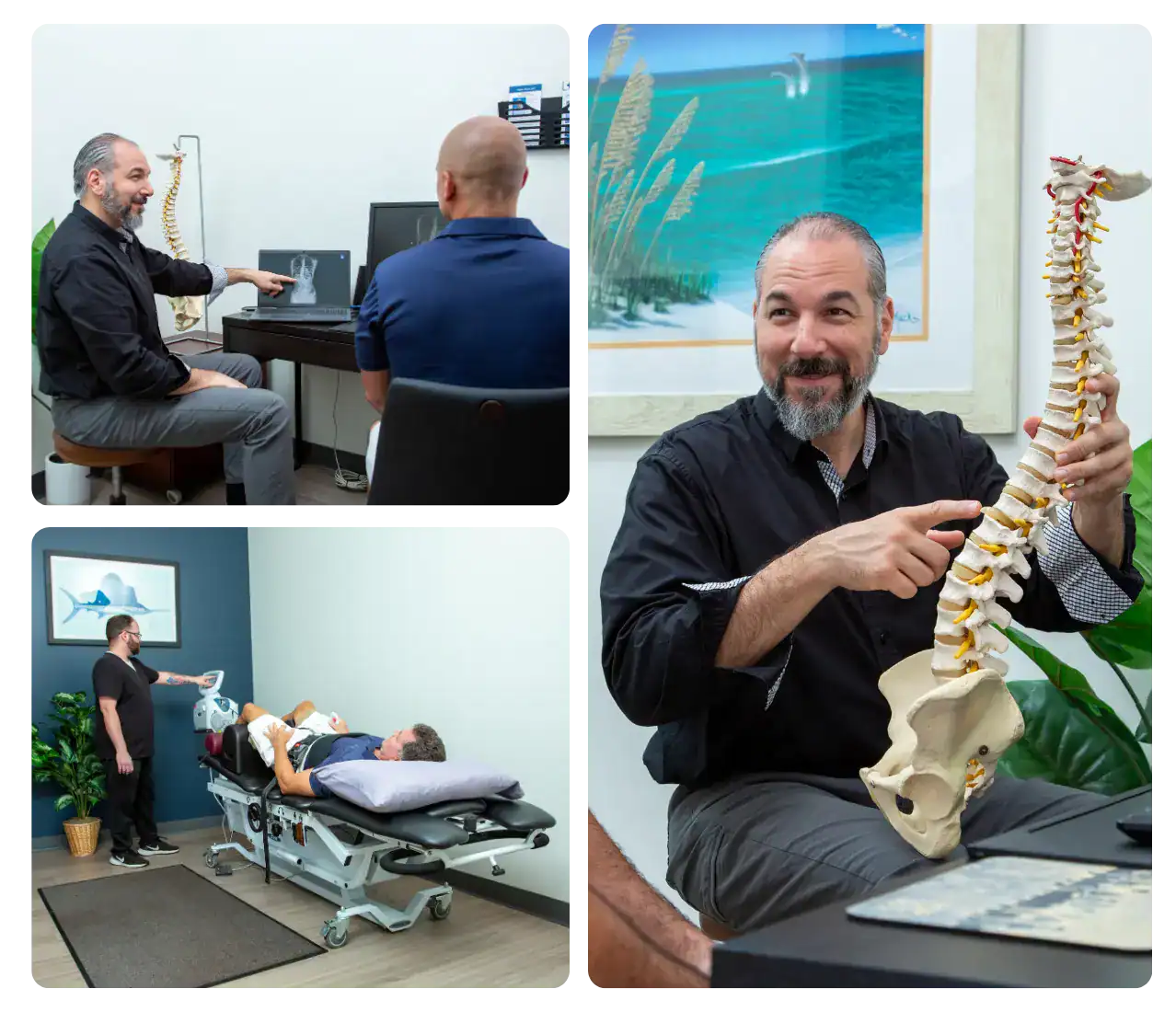
Spinal Decompression Therapy in Orlando
Chiropractors offer various treatments, with spinal decompression being a highly beneficial option. Schedule an appointment with our team at Pavlik Health + Wellness in Orlando to explore this treatment.

What Is Spinal Decompression?
Spinal decompression is a form of therapy focused on gently stretching the spine. Despite initial reservations about spine stretching, it’s crucial to understand that this treatment is done with utmost care to prevent any injury. The gentle stretching creates negative pressure, which serves several purposes. Firstly, the negative pressure can realign your spine, potentially helping herniated discs return to their original position. Consequently, spinal decompression is considered effective for auto accident injuries and back pain, and can also serve as a sciatica treatment. Moreover, the negative pressure stimulates the body’s natural healing response, aiding in the recovery process for soft tissue injuries. This natural healing mechanism is beneficial for various conditions, including auto accident injuries and sciatica.

What To Expect During a Spinal Decompression Session
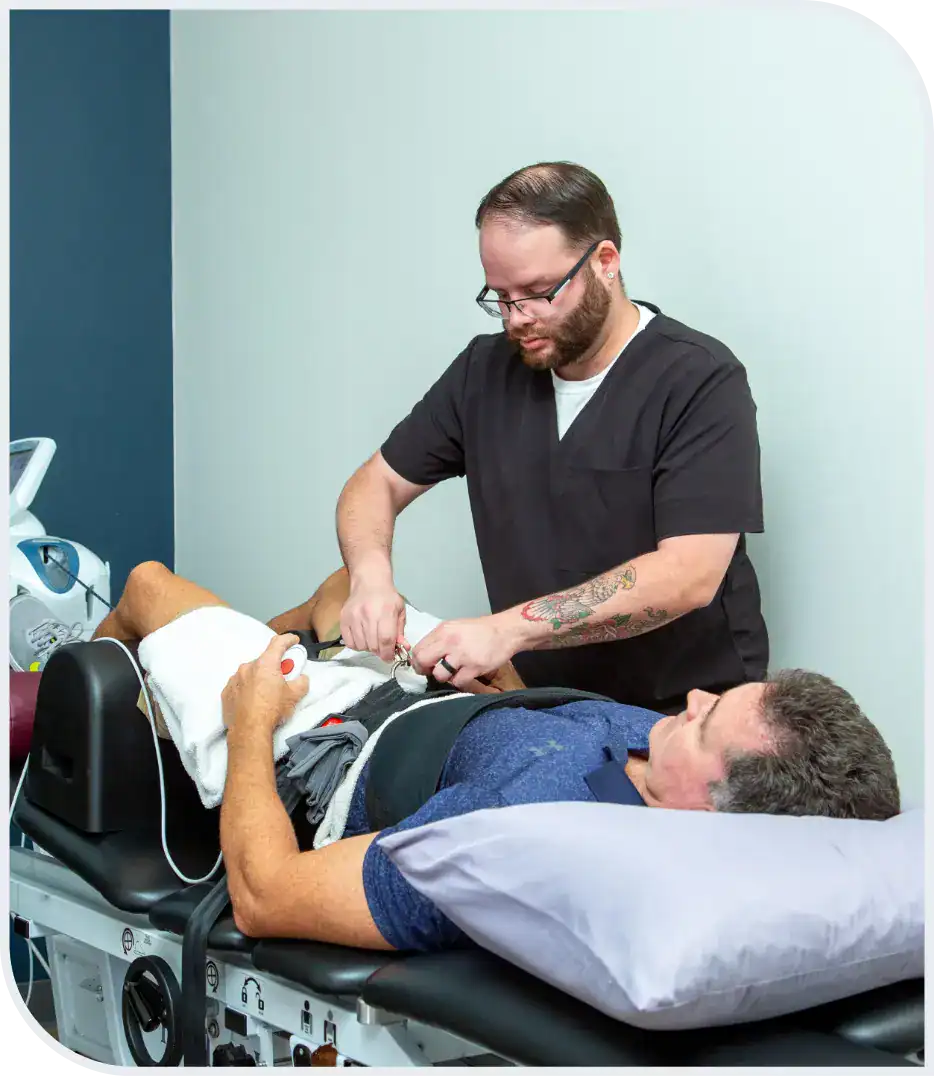
Spinal decompression sessions are straightforward. After diagnosing your injury and confirming that spinal decompression is suitable, your chiropractor can begin treatment. Typically, you’ll lie down on a specialized decompression table, and the chiropractor will adjust the table to facilitate stretching motions. These sessions are relatively short, lasting about 45 minutes at most. You can expect to experience the benefits of spinal decompression shortly after treatment.

Discover the Benefits of Spinal Decompression
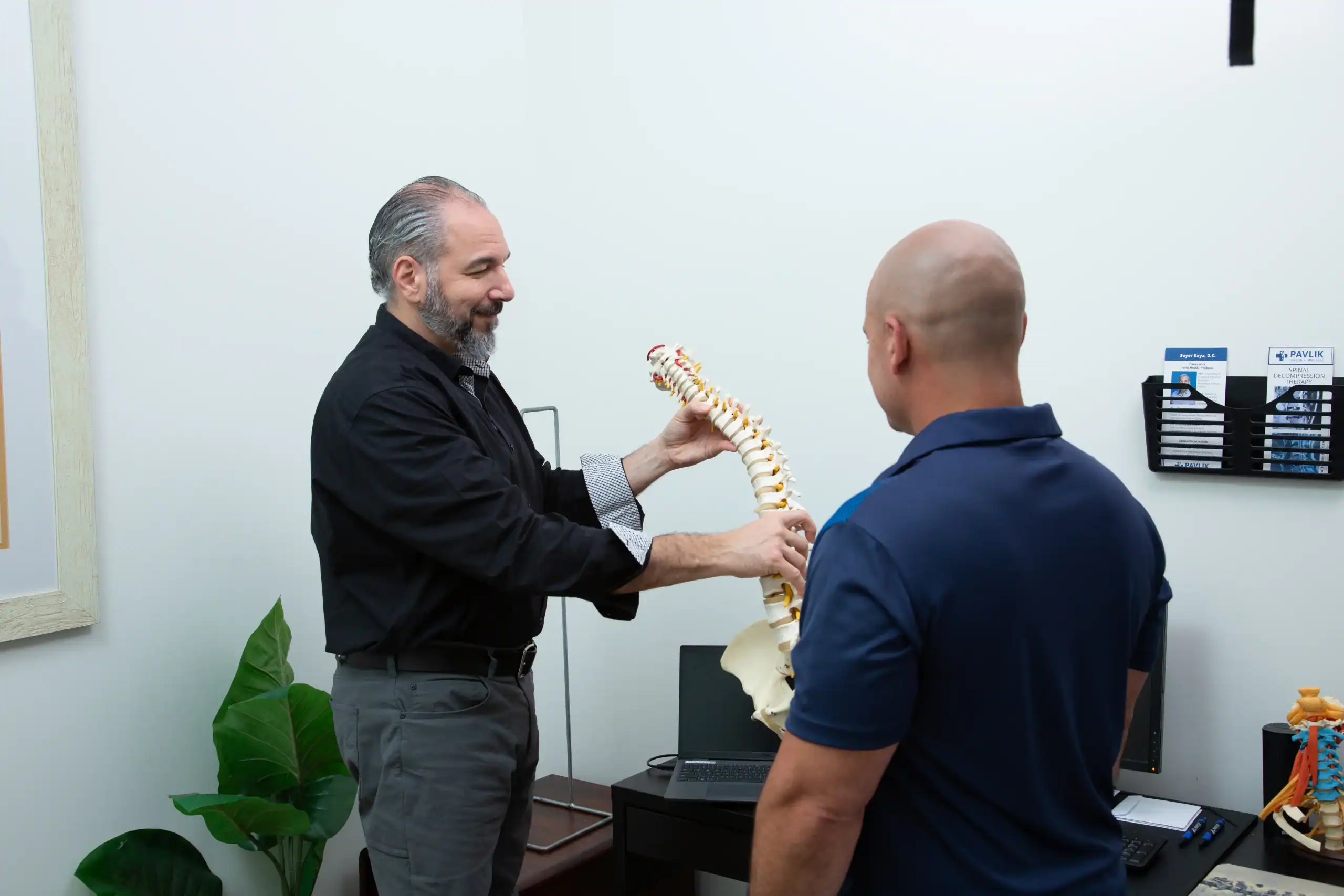
Spinal decompression relieves pressure on the spine, reducing pain from herniated discs and sciatica. It promotes healing and improves mobility. Contact Pavlik Health and Wellness to explore its benefits.
Benefits of Spinal Decompression Therapy
Spinal decompression relieves pressure on discs, nerves, and tissues, providing pain relief and improving mobility. It also enhances spinal alignment, promotes better posture, and reduces the risk of future injuries.
Relaxation and Relief with Spinal Decompression
Spinal decompression sessions offer a relaxing experience, relieving tension and discomfort. Patients often report feeling relief and relaxation during and after the sessions.
Non-Invasive Spinal Decompression for Safe Relief
Spinal decompression is non-invasive. Unlike surgical procedures, it does not require incisions or anesthesia, making it a safe and accessible option for individuals seeking relief from back pain and related symptoms.
Benefits of Spinal Decompression Therapy
Spinal decompression relieves pressure on discs, nerves, and tissues, providing pain relief and improving mobility. It also enhances spinal alignment, promotes better posture, and reduces the risk of future injuries.
Relaxation and Relief with Spinal Decompression
Spinal decompression sessions offer a relaxing experience, relieving tension and discomfort. Patients often report feeling relief and relaxation during and after the sessions.
Non-Invasive Spinal Decompression for Safe Relief
Spinal decompression is non-invasive. Unlike surgical procedures, it does not require incisions or anesthesia, making it a safe and accessible option for individuals seeking relief from back pain and related symptoms.
Spinal Decompression Therapy FAQs
Our Orlando physicians offer personalized plans for Spinal Decompression Therapy treatments.
What is spinal decompression therapy?
Spinal decompression therapy is a non-surgical treatment designed to gently stretch the spine and reduce pressure on spinal discs and nerves. It may be used for certain types of back pain, neck pain, sciatica, herniated discs, bulging discs, and nerve compression.
How does spinal decompression work?
Spinal decompression works by gently creating space between the vertebrae. This may help reduce pressure on irritated discs and nerves, which can contribute to pain, numbness, tingling, or weakness. The goal is to help relieve pressure and support better spinal function.
What conditions can spinal decompression help with?
Spinal decompression may be recommended for certain patients with herniated discs, bulging discs, sciatica, pinched nerves, degenerative disc disease, back pain, or neck pain. The right treatment depends on the cause of the pain and the patient’s evaluation.
Is spinal decompression non-surgical?
Yes. Non-surgical spinal decompression does not involve incisions, anesthesia, or a hospital stay. It is a conservative treatment option that may be considered before more invasive procedures, depending on the patient’s condition.
Can spinal decompression help sciatica?
Spinal decompression may help some sciatica cases when the sciatic nerve is irritated by disc pressure or nerve compression in the lower back. Since sciatica can have different causes, an evaluation is important before starting treatment.
Can spinal decompression help a herniated disc?
Spinal decompression may help some patients with herniated discs by reducing pressure on the affected disc and nearby nerves. It should not be presented as a guaranteed fix, but it may be part of a conservative treatment plan for disc-related pain.
Can spinal decompression help a bulging disc?
Yes, spinal decompression may be used for certain bulging disc cases, especially when the disc is contributing to nerve irritation, back pain, neck pain, numbness, or tingling. A provider can determine whether decompression is appropriate based on symptoms and exam findings.
How many spinal decompression sessions will I need?
The number of sessions depends on the condition, severity of symptoms, exam findings, and how the body responds to treatment. Some patients may need a short treatment plan, while others with disc-related or chronic symptoms may need multiple sessions over several weeks.
Is spinal decompression therapy the same as chiropractic adjustment?
No. Spinal decompression therapy and chiropractic adjustments are different treatments. Spinal decompression therapy uses a specialized table to gently reduce pressure on discs and nerves, while chiropractic adjustments focus on improving joint movement and spinal function. Some care plans may include both when appropriate.