TMJ Treatment & TMJ Disorder Relief in Orlando
The temporomandibular joint (TMJ), where the skull meets the lower jaw, can experience pain from natural wear, misalignment, or breakdown over time, leading to TMJ disorder. Traditional treatments include pain medications, dental devices, and surgery, but many prefer to avoid these extremes. Chiropractic care at Pavlik Health + Wellness offers a non-invasive option to manage and alleviate TMJ pain effectively.

What is TMJ Disorder?
TMJ disorder, or temporomandibular joint disorder, refers to pain and dysfunction in the joint that connects the jaw to the skull. This condition can cause pain in the jaw, neck, and shoulders, and is often associated with difficulty opening or closing the mouth, clicking or popping sounds, and even headaches. TMJ disorder can result from misalignment, injury, or wear over time. Fortunately, chiropractic care and other non-invasive treatments can help manage and alleviate the symptoms of TMJ disorder.

Symptoms of TMJ
TMJ disorder causes a variety of unpleasant symptoms, so it’s little wonder that those who suffer from it are eager to find effective TMJ pain relief techniques. Some of the most common symptoms of TMJ disorder include:
- Jaw pain
- Jaw stiffness
- Clicking in the jaw
- Locked jaw
- Ear pain
- Temple pain
- Headache
- Popping in the ear

What Causes and How Common is TMJ Disorder?
TMJ disorder occurs when muscle tension and tightness around the temporomandibular joint cause the jaw to misalign, putting pressure on the joint and compressing the disc. This can hasten the degeneration of the disc and create a painful cycle. Approximately 10 million Americans suffer from TMJ disorder, and 75% of people experience some symptoms at some point, although it is often under-treated.

TMJ Treatment with Our Orlando Chiropractor
Our Orlando chiropractor offers non-invasive TMJ treatment to relieve pain and improve jaw function through adjustments and exercises. Schedule an appointment today for effective TMJ relief.
TMJ Relief with Chiropractic Care
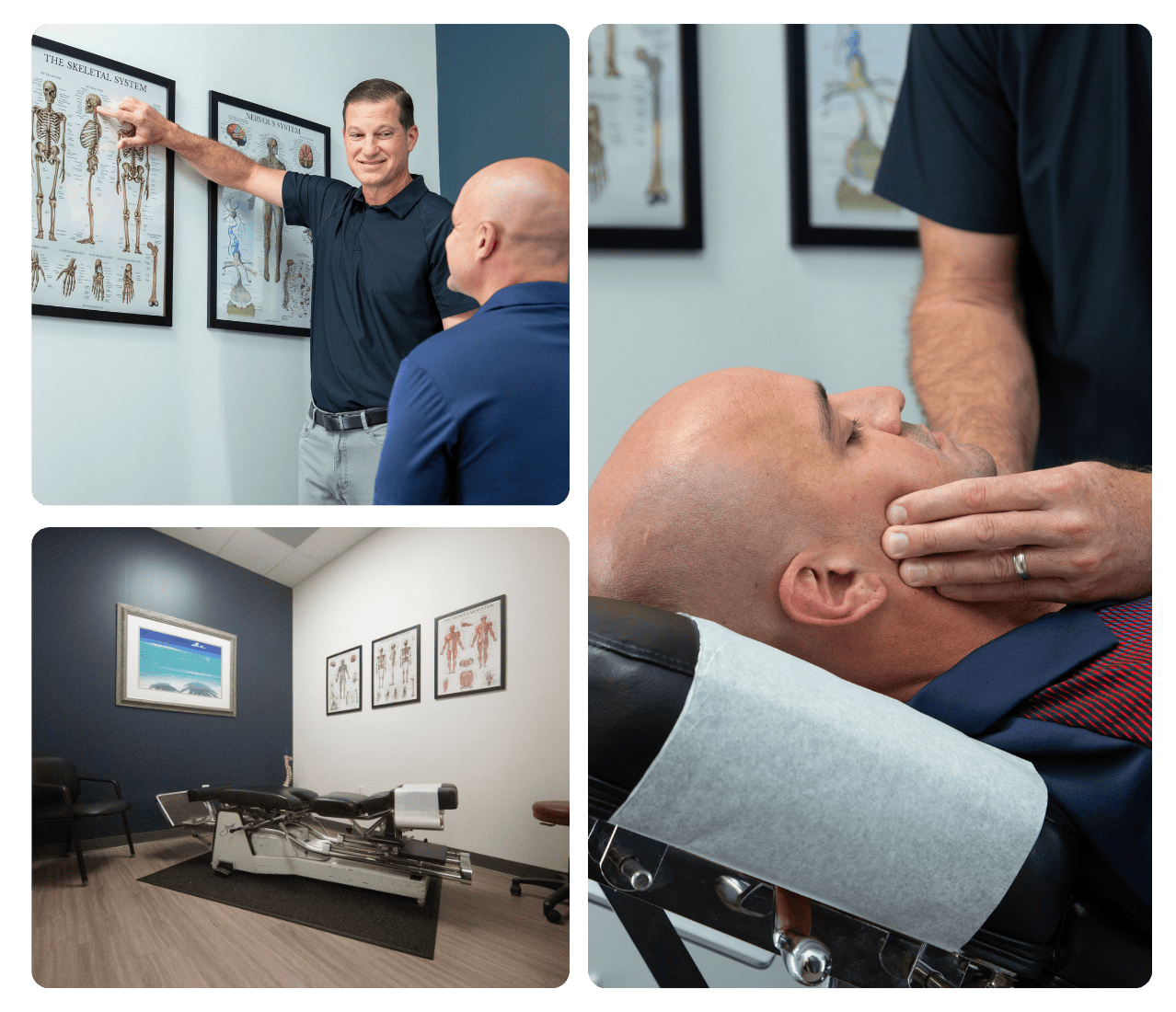
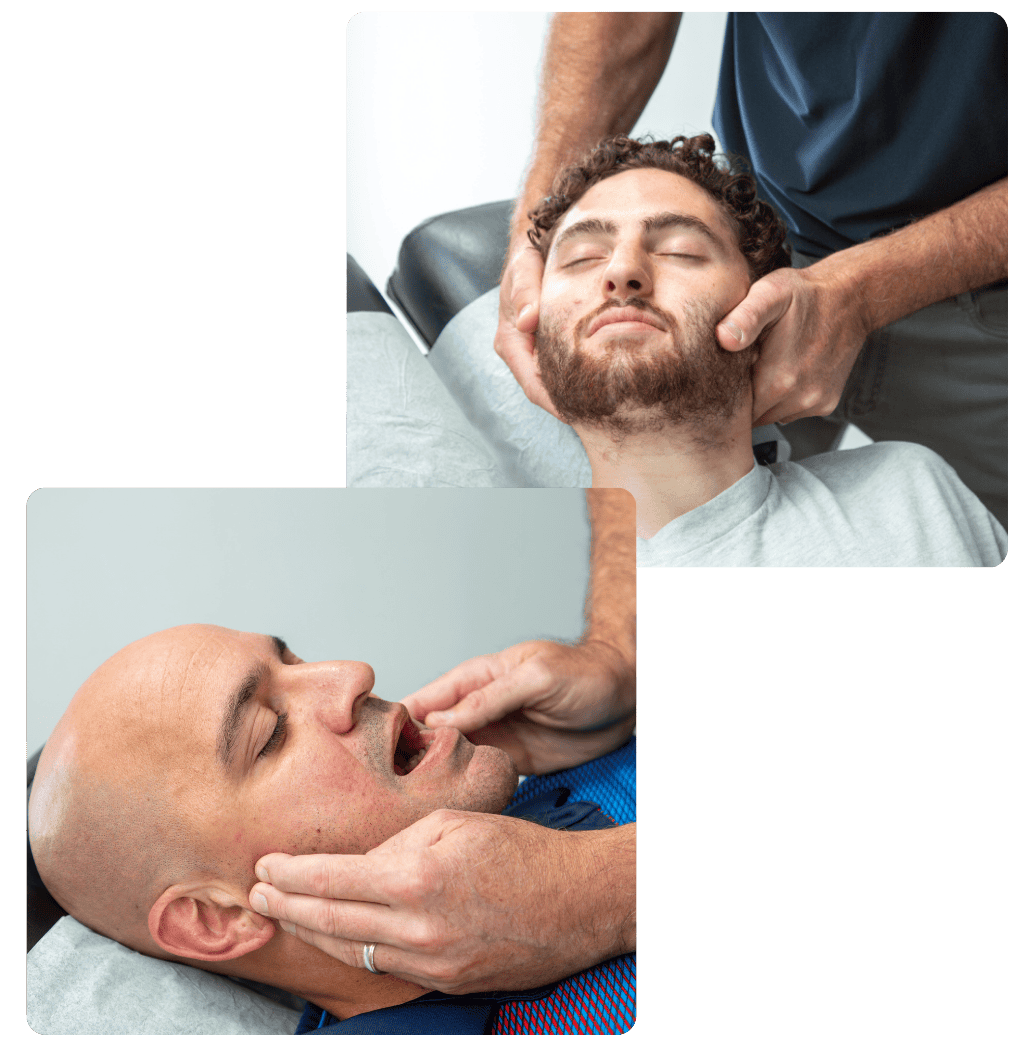
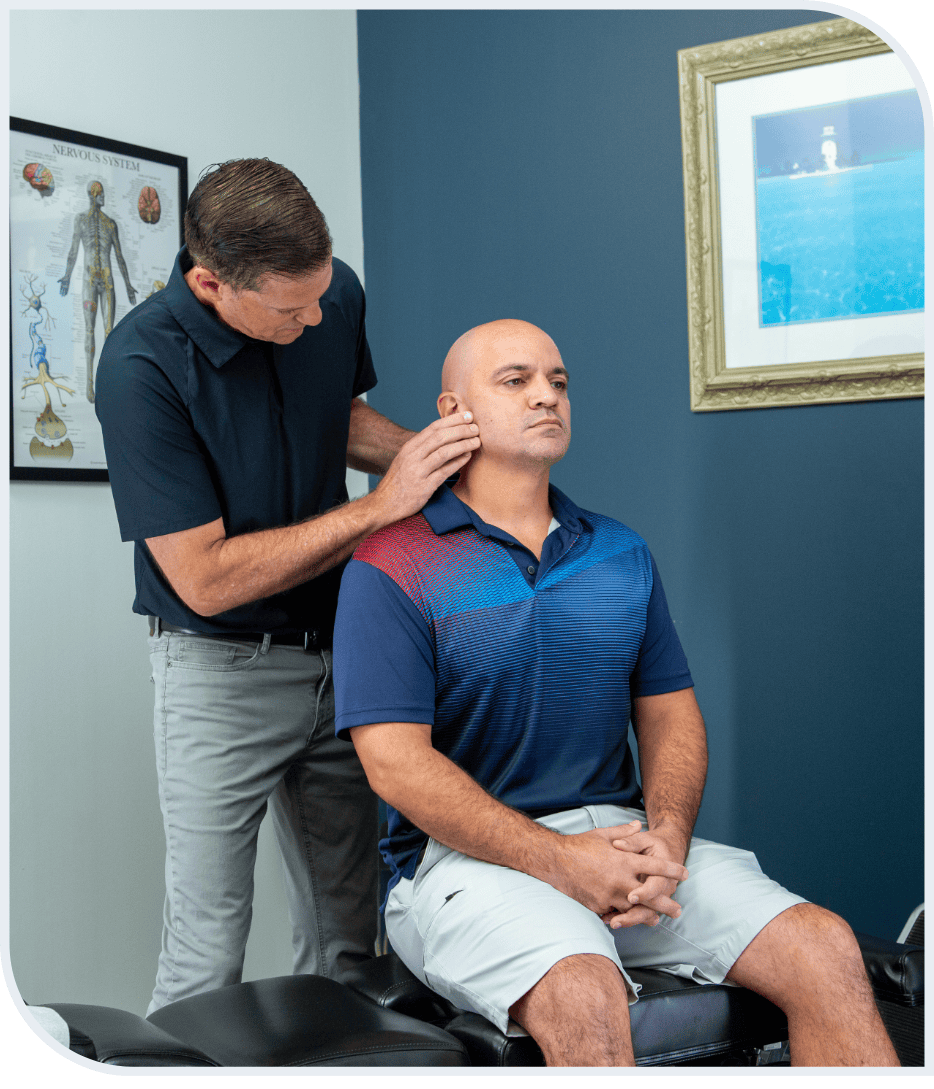
Pavlik Center for Health and Wellness offers chiropractic treatments to alleviate TMJ symptoms. Through spinal and jaw adjustments, our Orlando professionals realign the joint, relieve pressure on nerves, and improve motion for optimal function.
Customized TMJ Relief Plans
We offer soft tissue therapies alongside chiropractic adjustments to address TMJ more effectively. Our chiropractors customize treatment plans for each patient, targeting both pain relief and long-term prevention. Routine care is recommended to prevent TMJ pain from recurring. To learn more or book an appointment, call us today at (407) 423-4761.
TMJ Relief with Chiropractic Care
Pavlik Health + Wellness offers chiropractic treatments to alleviate TMJ symptoms. Through spinal and jaw adjustments, our Orlando professionals realign the joint, relieve pressure on nerves, and improve motion for optimal function.
Customized TMJ Relief Plans
We offer soft tissue therapies alongside chiropractic adjustments to address TMJ more effectively. Our chiropractors customize treatment plans for each patient, targeting both pain relief and long-term prevention. Routine care is recommended to prevent TMJ pain from recurring. To learn more or book an appointment, call us today at
(407) 423-4761.
TMJ Disorder FAQs
Our Orlando physicians offer personalized plans for your TMJ Disorder.
What are common signs of TMJ disorder?
Common signs of TMJ disorder include jaw pain, clicking or popping sounds, facial pain, headaches, earaches, neck pain, shoulder tension, jaw stiffness, difficulty chewing, and trouble opening or closing the mouth comfortably.
When should I see a TMJ specialist in Orlando?
You should consider seeing a provider for TMJ symptoms if jaw pain, clicking, headaches, ear discomfort, or trouble chewing keeps coming back or affects your daily life. You should also seek care if your jaw locks, your bite suddenly feels different, or the pain is getting worse.
Can a chiropractor help with TMJ disorder?
Chiropractic care may help some TMJ-related symptoms by addressing jaw movement, neck tension, posture, muscle tightness, and alignment issues that may contribute to discomfort.
What causes TMJ pain?
TMJ pain can have several causes, including teeth grinding, jaw clenching, stress, jaw injury, arthritis, posture problems, muscle tension, bite issues, or irritation in the jaw joint. Because causes can vary, an evaluation is important before starting treatment.
Can TMJ cause headaches?
Yes. TMJ disorder can contribute to headaches, especially when jaw tension, clenching, grinding, or neck muscle tightness is involved. Some people with TMJ also feel pain around the temples, face, ears, or neck.
Can TMJ cause ear pain?
Yes. TMJ pain can sometimes feel like ear pain because the jaw joint is located close to the ear. TMJ-related ear discomfort may happen with jaw clicking, facial pain, headaches, or pain while chewing. If ear pain is severe or comes with hearing changes, drainage, fever, or infection symptoms, a medical provider should evaluate it.
Can TMJ cause neck and shoulder pain?
Yes. TMJ disorder may be connected with neck and shoulder tension because the jaw, neck, and upper spine work closely together. Poor posture, muscle tightness, or jaw clenching can sometimes contribute to discomfort in these areas.
What happens during a TMJ evaluation?
A TMJ evaluation may include a discussion of your symptoms, jaw movement, pain patterns, posture, lifestyle habits, and possible causes such as clenching, grinding, stress, or injury. The provider may also check for jaw tenderness, range of motion, clicking, and related neck or muscle tension.
What should I avoid if I have TMJ pain?
During a TMJ flare-up, it may help to avoid chewing gum, biting nails, eating very hard or chewy foods, wide yawning, resting your chin on your hand, and clenching your jaw. Gentle jaw movement, posture awareness, and reducing stress on the joint may help.