Written by Soyer Kaya, D.C.
Sciatica can be painful, frustrating, and hard to ignore. It often starts in the lower back and travels into the buttock, leg, or foot, and depending on the person it can feel sharp and shooting, or more like burning, tingling, numbness, or weakness. One treatment people often hear about is spinal decompression therapy for sciatica. But does it actually help?
The honest answer is this. Spinal decompression therapy may help some people with sciatica, especially when the pain is caused by pressure from a bulging or herniated disc. It is not a guaranteed cure, and it is not the right treatment for every case. A proper diagnosis matters before starting any care, which is exactly why this decision belongs with a qualified provider rather than a guess based on symptoms alone.
Key Takeaways
- Sciatica is usually caused by irritation or compression of nerves in the lower back.
- Spinal decompression therapy is designed to gently reduce pressure on spinal discs and irritated nerves.
- It may help some disc-related sciatica cases, such as pain from a bulging or herniated disc.
- Research on spinal decompression is promising but limited, so it should not be viewed as a guaranteed fix.
- It works best as part of a larger plan that includes strengthening, mobility, and activity changes.
- It may not be for everyone, consult with your Chiropractor to determine if it is right for you.
What Is Sciatica?
Sciatica is nerve pain that travels along the sciatic nerve, which runs from the lower back through the buttocks and down the leg. It is not usually a condition on its own. It is a symptom of something irritating or compressing a nerve in the lower spine.
Common symptoms include:
- Lower back pain
- Pain that travels into the buttock, thigh, calf, or foot
- Tingling or numbness
- Burning or shooting pain
- Weakness in the leg or foot.
The usual causes include herniated or bulging discs, bone spurs, spinal stenosis, and degenerative disc changes. In simple terms, sciatica often happens when something in the lower back presses on a nerve, which sends pain traveling down the leg instead of staying in the back.
What Is Spinal Decompression Therapy?

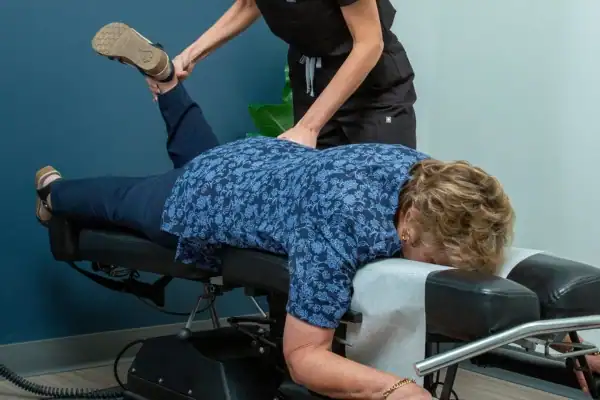
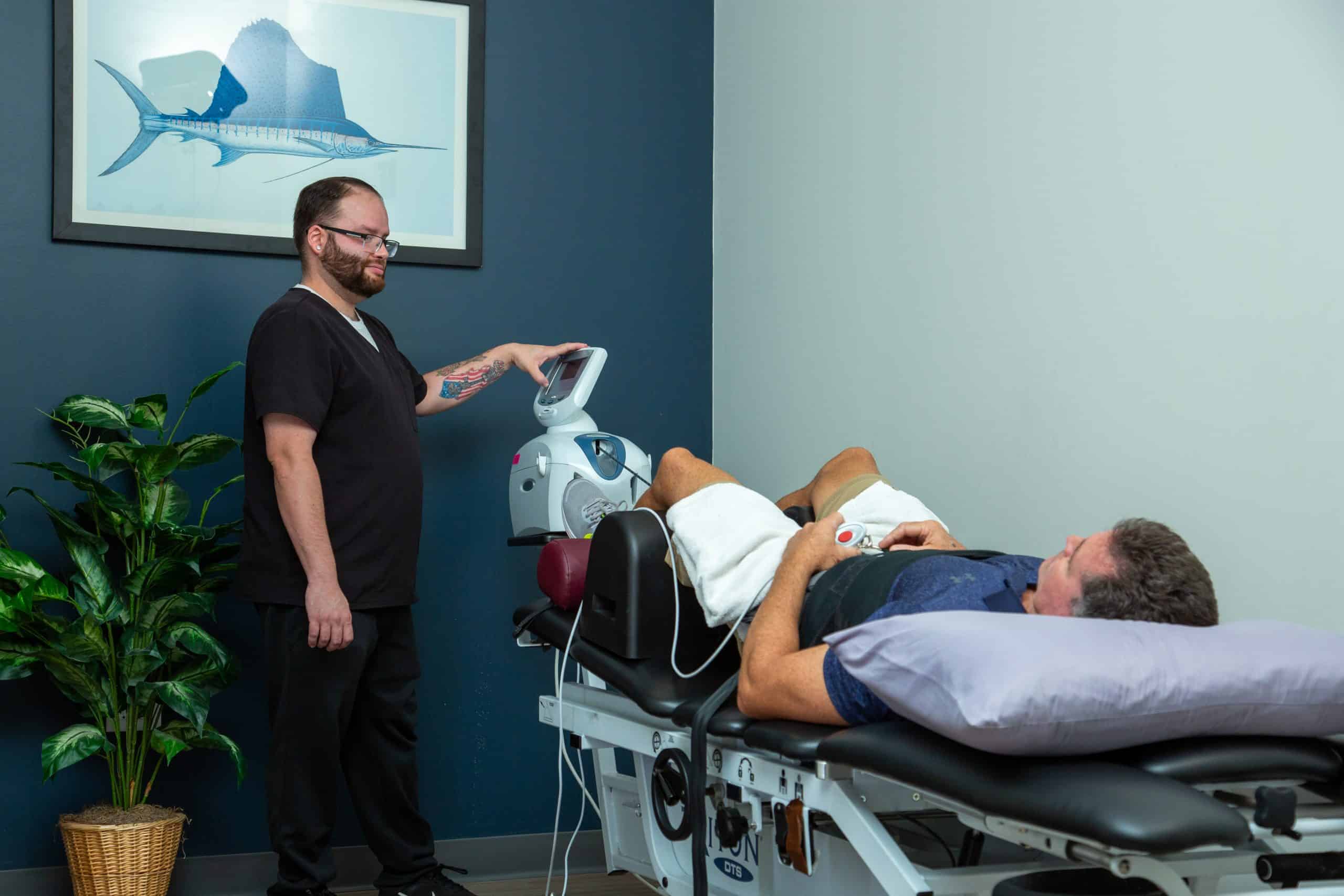
Non-surgical spinal decompression therapy is a treatment designed to gently stretch the spine, with the goal of reducing pressure around spinal discs and irritated nerves. During treatment, a patient typically lies on a specialized table while the lower back is gently stretched in a controlled way. This is not surgery. It involves no incisions, no anesthesia, and no removal of disc material.
The main goal is to create more space around the affected area so pressure on the nerve may ease. For people with disc-related sciatica, that reduction in pressure may help calm irritation and reduce pain.
Can Spinal Decompression Actually Help Sciatica?
Spinal decompression can work as a sciatica treatment in Orlando when the pain is related to a bulging or herniated disc pressing on a nerve. When disc pressure is part of the problem, decompression may gently reduce stress on the affected disc and nerve, which can sometimes ease leg pain, tingling, numbness, or lower back discomfort.
It does not work for every type of sciatica, though. It may not be the best option if symptoms come from severe arthritis, advanced spinal narrowing, major spinal instability, or another condition that needs a different approach entirely. That is why the most important first step is not the treatment itself. It is getting a clear diagnosis from a provider who can confirm what is actually causing the pain.
Who May Be a Good Candidate?

A person may be a better candidate for spinal decompression if their sciatica is related to disc pressure. That can include people with a bulging or herniated disc, disc-related nerve irritation, sciatica that has not improved with basic conservative care, or a desire to try a non-surgical option before considering anything more invasive.
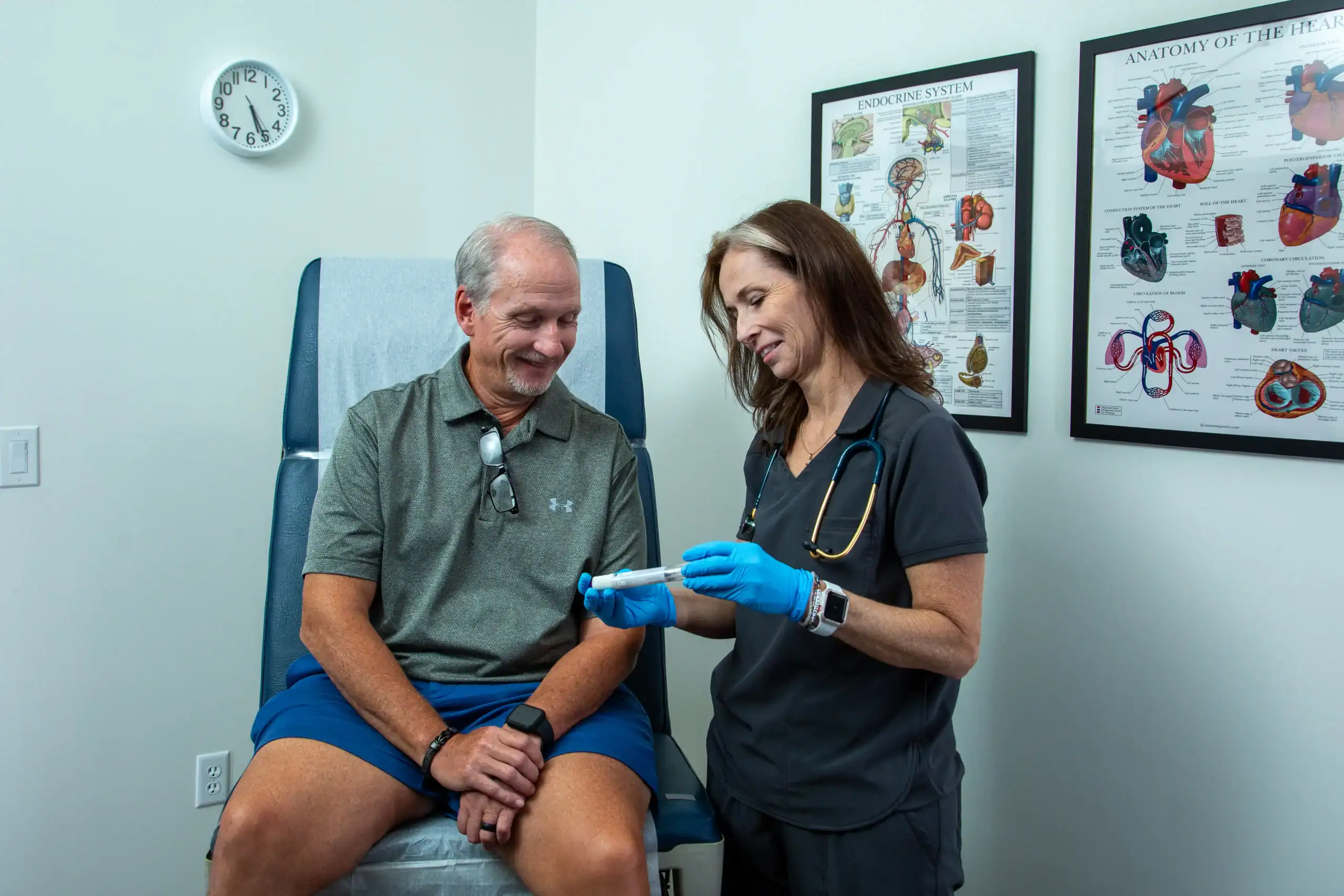
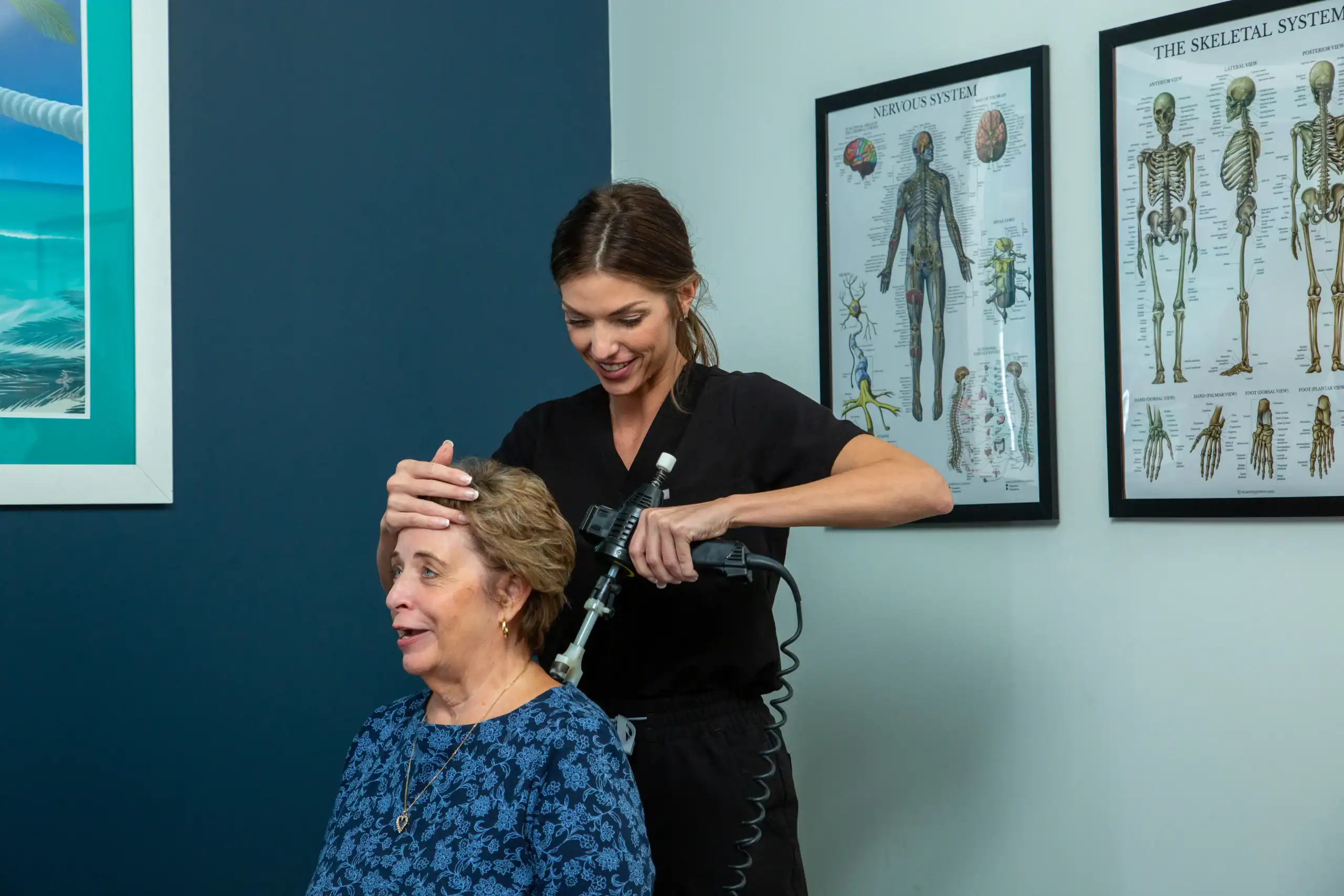
A good provider evaluates symptoms, medical history, movement, nerve function, and imaging when needed, to confirm whether decompression is appropriate and safe. Spinal decompression should never be recommended just because someone has back or leg pain. The actual cause of the pain has to guide the decision.
Who Should Avoid Spinal Decompression?
Spinal decompression is not right for everyone, and in some cases it may not be safe. It may not be appropriate for people with recent spinal fractures, severe osteoporosis, spinal cancer or infection, certain spinal implants or hardware, significant spinal instability, pregnancy, or severe or worsening nerve symptoms.
This is exactly why proper screening matters before treatment begins. A provider needs to understand the diagnosis and rule out any condition that could make decompression unsafe, which is a conversation worth having before committing to a treatment plan.
When Sciatica Needs Urgent Medical Attention
Most sciatica cases are not emergencies, but some symptoms should never be ignored. Seek urgent medical care if you experience loss of bladder or bowel control, worsening leg weakness, foot drop, numbness in the groin or saddle area, or severe symptoms that are getting worse quickly.
These symptoms can signal serious nerve compression, and in these cases, routine spinal decompression therapy in Orlando is not the right next step. Immediate medical evaluation is needed instead.
What Should Patients Expect During Treatment?
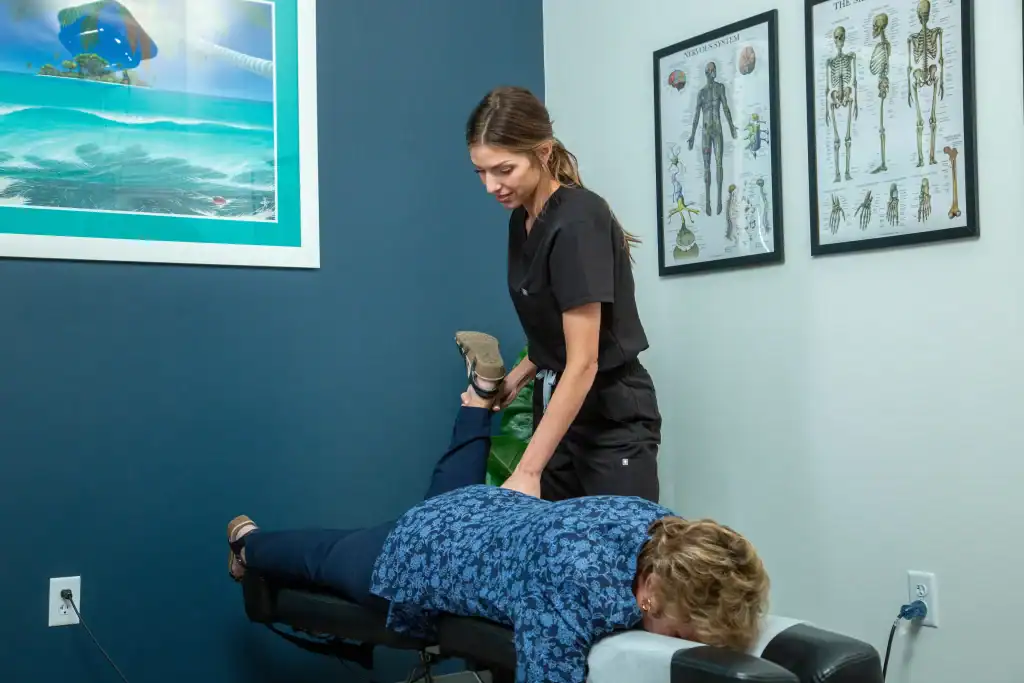
Spinal decompression is usually a gradual treatment rather than a one-time fix. A session typically involves lying on a treatment table while the lower back is gently stretched, and many patients feel a pulling or stretching sensation, with some temporary soreness afterward similar to starting a new form of exercise. Treatment plans often involve multiple visits over several weeks, with the exact number depending on the patient’s condition, symptoms, and response to care.
Patients should understand that relief may not happen immediately, that improvement is often gradual, and that results vary from person to person. Progress should be actively monitored, and a plan should be adjusted, not just continued, if symptoms are not improving. A trustworthy provider explains what to expect before treatment starts and never promises guaranteed results.
Why Decompression Works Best as Part of a Bigger Plan
Spinal decompression may reduce pressure, but lasting improvement usually requires more than passive treatment. For many people with sciatica, real relief depends on improving how the spine and body function day to day, through core strengthening, mobility work, appropriate stretching, better posture, safer lifting habits, reduced long periods of sitting, guided rehab, and activity changes that reduce flare-ups.
This matters because decompression may help calm symptoms, while strengthening and movement work help support the spine after symptoms improve. In other words, decompression may help reduce the pressure, and rehab helps reduce the chance of the problem coming back, which is exactly why a provider-led plan tends to outperform decompression alone.
Questions to Ask Before Starting Treatment
Before beginning spinal decompression therapy, it helps to ask clear questions.
- What is causing my sciatica?
- Do my symptoms suggest disc-related nerve pressure?
- Have you reviewed my exam findings or imaging?
- Am I a safe candidate for decompression?
- How many sessions might I need, and what should I feel during treatment?
- What happens if my symptoms get worse?
- Will this be combined with strengthening or physical therapy, and how will we measure progress?
- What will treatment cost, and is any part of it covered by insurance?
These questions help you avoid vague treatment plans and unrealistic promises.
Frequently Asked Questions
Does spinal decompression therapy really work for sciatica?
It may help when sciatica is caused by disc pressure on a nerve, especially when combined with physical therapy. It is not effective for every cause of sciatica, which is why a proper diagnosis comes first.
How many spinal decompression sessions are usually needed?
It varies by patient and condition, but treatment plans often involve multiple sessions over several weeks. Your provider should set expectations based on your specific diagnosis and response to care.
Is spinal decompression therapy safe?
For the right candidate, yes, but it is not safe for everyone. Conditions like spinal fractures, severe osteoporosis, spinal infection or cancer, certain hardware, and pregnancy require a different approach, which is why screening matters.
Can I try spinal decompression before considering surgery?
Many patients try non-surgical options like spinal decompression before considering surgery, particularly when symptoms have not improved with basic conservative care. Whether it is appropriate depends on your specific diagnosis.
When should I skip decompression and seek emergency care instead?
If you have loss of bladder or bowel control, worsening leg weakness, foot drop, or numbness in the groin area, seek urgent medical care immediately rather than starting routine therapy.
Getting a Real Answer About Sciatica at Pavlik Health + Wellness
So is spinal decompression therapy worth trying for sciatica? The honest answer depends entirely on what is actually causing your pain, which is not something any article, including this one, can determine for you. It can be a genuinely helpful option when disc pressure is the source and it is paired with the right rehab plan, and it can be the wrong choice entirely for other causes of sciatica. The only way to know which situation you are in is a proper evaluation.
That evaluation is where Pavlik Health + Wellness comes in. As a provider-led practice with more than 40 years serving the Orlando area, our team examines what is actually driving your sciatica before recommending any treatment path, and builds a plan around your specific diagnosis rather than a one-size-fits-all approach. If sciatica has been affecting your daily life, request an appointment and let a provider give you a clear, honest answer about what will actually help.