Chiropractic Care for Scoliosis in Orlando
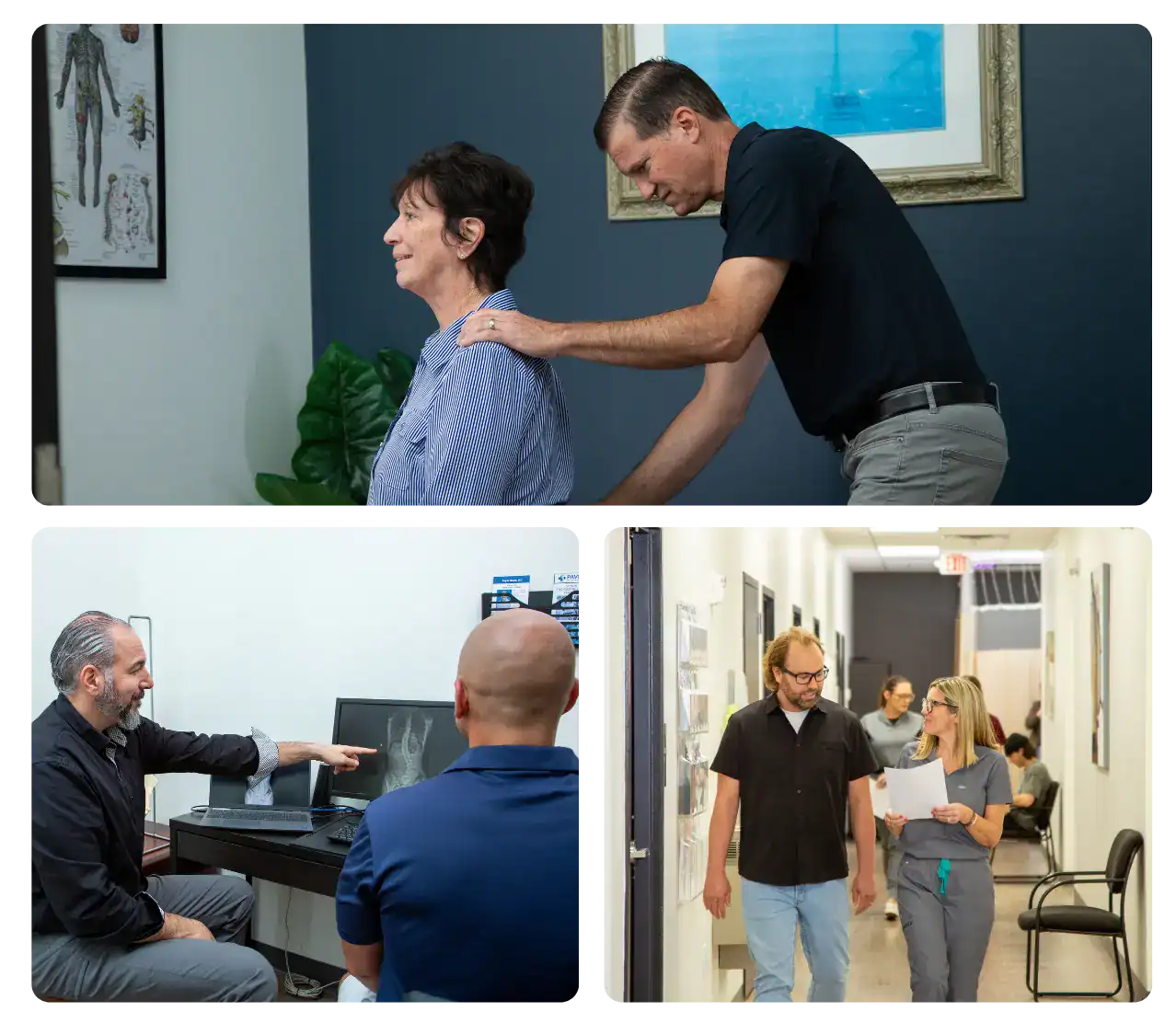
At Pavlik Health + Wellness in Orlando, we offer specialized chiropractic care for scoliosis. Our treatments focus on improving spinal alignment, reducing pain, and enhancing mobility. By using non-invasive techniques, we help manage scoliosis symptoms and promote long-term spinal health, tailored to each patient’s unique needs.

What is Scoliosis?
Scoliosis is a condition where the spine curves sideways, often in an “S” or “C” shape. This abnormal curvature can occur in the upper or lower back and may develop during childhood or adolescence. While the exact cause is often unknown, scoliosis can be caused by congenital issues, neurological conditions, or even be idiopathic (no clear reason). Symptoms can include uneven shoulders, back pain, and difficulty breathing in severe cases. Treatment options vary depending on the severity of the condition and may include chiropractic care, physical therapy, or, in extreme cases, surgery.

Scoliosis Treatment
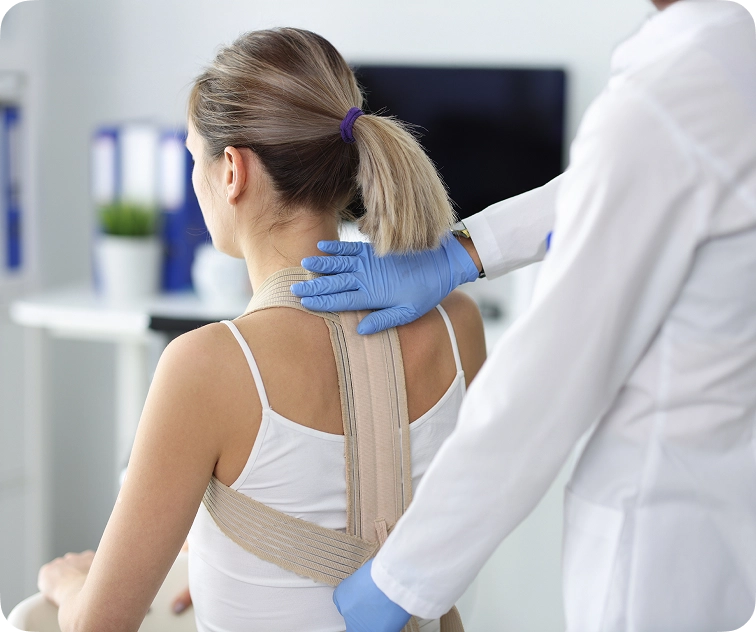
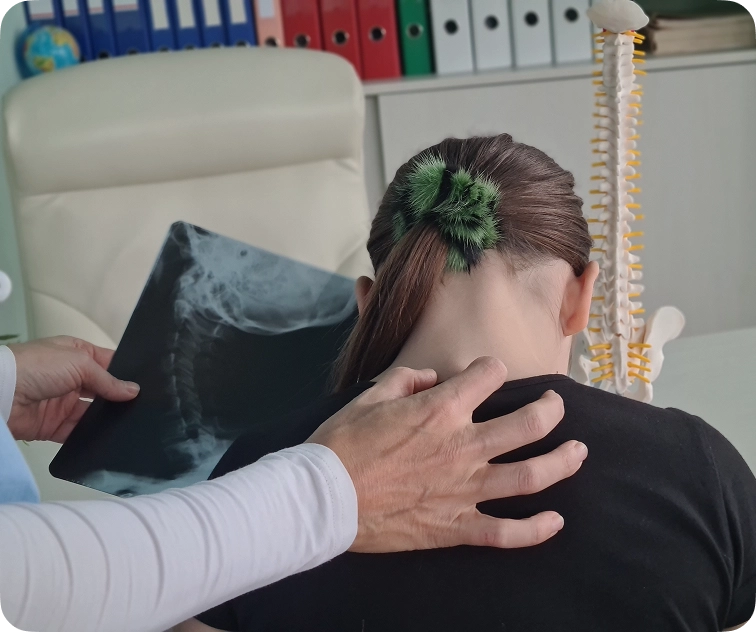
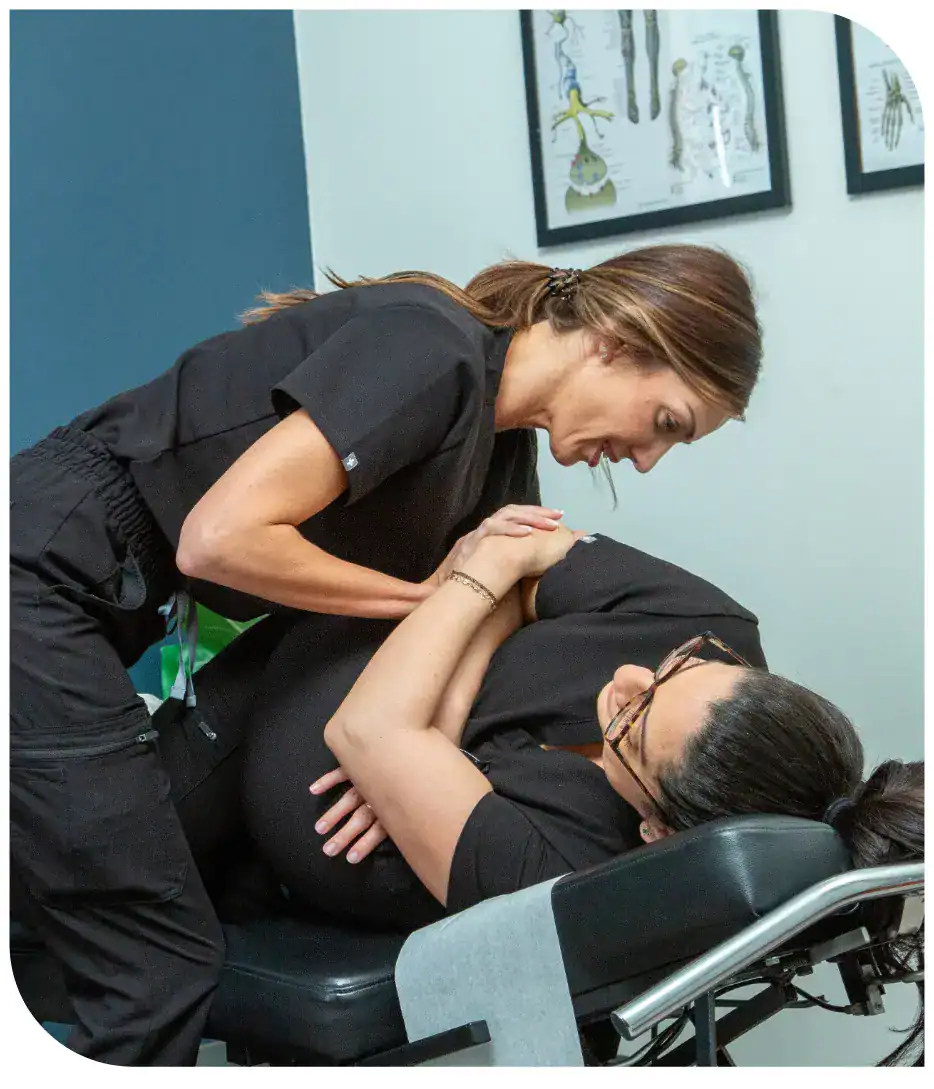
Chiropractic visits for scoliosis can involve more than just manual adjustments. While some patients may hesitate due to the complexity of spinal manipulations, our treatments offer various options. Chiropractic care can help reduce back, hip, and joint pain, with benefits tailored to the severity of your scoliosis., here are some benefits to consider:
- Neck and tension relief of the upper body
- Hip/pelvic realignment as most scoliosis or spinal fusion patients experience hip imbalances
- Manual soft tissue therapy
- Uneven hips can create stress on the pelvic joints which are typically not the site of fusion

Scoliosis FAQs
Our Orlando physicians offer personalized plans for your Scoliosis relief.
What are common signs of scoliosis?
Sciatica can feel like a deep ache, sharp pain, burning, tingling, numbness, or electric-like pain that travels down the leg. Some people feel it mainly in the buttock, while others feel pain through the thigh, calf, or foot.
When should I seek scoliosis treatment in Orlando?
You should consider an evaluation if you notice uneven shoulders or hips, recurring back pain, posture changes, stiffness, or limited movement. Children and teens should be evaluated if a spinal curve is suspected because scoliosis can progress during growth.
Can a chiropractor help with scoliosis?
Chiropractic care may help manage scoliosis-related symptoms such as back pain, hip imbalance, joint stress, stiffness, muscle tension, and reduced mobility. At Pavlik Health + Wellness, scoliosis care focuses on spinal alignment, pain reduction, mobility, soft tissue therapy, and long-term spinal health.
Can chiropractic care straighten or cure scoliosis?
Chiropractic care should not be presented as a guaranteed cure for scoliosis. It may help manage pain, improve mobility, support posture, and reduce stress on the spine and surrounding joints. The best treatment depends on the severity of the curve, symptoms, age, and overall health.
What treatment options are available for scoliosis?
Scoliosis treatment depends on the severity of the curve and the patient’s symptoms. Options may include monitoring, chiropractic care, physical therapy, targeted exercises, soft tissue therapy, bracing, or surgery in more severe cases.
Does every scoliosis patient need surgery?
No. Many people with scoliosis do not need surgery. Surgery is usually reserved for more severe cases or curves that are progressing and causing significant problems. Mild or moderate cases may be managed with monitoring, conservative care, exercises, bracing, or other non-surgical options.
Does every scoliosis patient need a brace?
No. Bracing is usually considered based on factors such as curve size, age, growth stage, and risk of progression. Children and teens who are still growing may be more likely to need monitoring or bracing if the curve is moderate or progressing.
What happens during a scoliosis evaluation?
A scoliosis evaluation may include a review of symptoms, posture, spinal movement, shoulder and hip alignment, pain areas, and health history. Imaging or referral may be recommended when curve measurement or a more detailed diagnosis is needed.
Can adults get scoliosis treatment?
Yes. Adults with scoliosis may seek care for back pain, stiffness, posture changes, hip imbalance, mobility problems, or daily discomfort. Adult scoliosis care often focuses on reducing symptoms, improving function, and supporting spinal health.