Jaw pain that lingers can make everyday activities eating, talking, even smiling uncomfortable. For some people, the source of that pain is temporomandibular joint disorder, more commonly known as TMJ. This condition affects the hinge that connects your jaw to the skull, and when it’s not working properly, it can trigger pain in the jaw, face, neck, and even cause frequent headaches.
The good news is that chiropractic care has become a trusted option for people seeking relief from TMJ. Understanding what a chiropractor can do may open the door to non invasive treatment and long term relief.
How Chiropractic Care Addresses TMJ
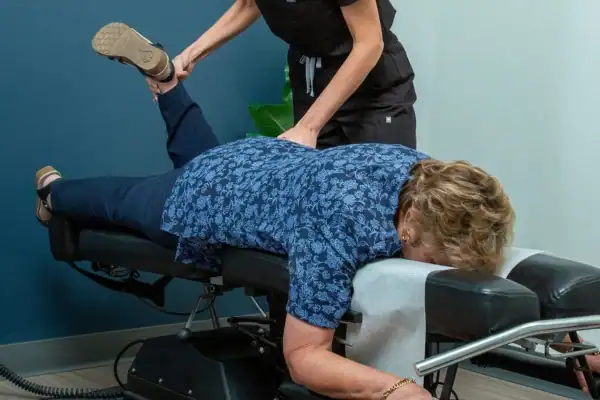
Chiropractors look at the body as a connected system. With TMJ disorder, that means considering how the jaw joint interacts with the spine, muscles, and posture. Misalignment in the jaw or upper neck can place added strain on the temporomandibular joint, leading to pain, stiffness, and clicking sounds when opening or closing the mouth.
Through chiropractic TMJ treatment, adjustments are designed to:
- Restore balance to the jaw and cervical spine
- Reduce nerve irritation that contributes to pain
- Relieve muscle tension in the face, neck, and shoulders
- Improve mobility in the jaw joint
Techniques Chiropractors May Use
Gentle Adjustments
Targeted adjustments in the jaw and upper spine help restore normal motion and reduce uneven pressure on the joint.
Soft Tissue Therapy
Massage and trigger point techniques relax the surrounding muscles, especially in the jaw, temples, and neck, where tension often builds up.
Postural Guidance
Poor posture, such as slouching at a desk, can make TMJ symptoms worse. Chiropractors often provide exercises to correct alignment and reduce daily strain.
Integrative Options That Support TMJ Relief
Chiropractic treatment is often most effective when paired with complementary therapies. These may include:
- Therapeutic massage therapy to ease chronic muscle tightness
- Acupuncture to reduce pain and improve circulation
- Cupping therapy to release deep tissue tension
- Stress management strategies to address clenching and grinding
This integrative approach not only eases jaw pain but also addresses related symptoms like headaches, neck stiffness, and ear discomfort.
When to Consider Professional Help
Signs that it’s time to see a chiropractor for TMJ include:
- Jaw pain that lasts more than a few weeks
- Difficulty chewing or talking without discomfort
- Clicking or locking in the jaw joint
- Frequent headaches or neck pain linked to jaw tension
If these symptoms are interfering with daily life, visiting a provider who offers chiropractic TMJ treatment can provide both relief and a clear plan for management.
Care Options in Orlando
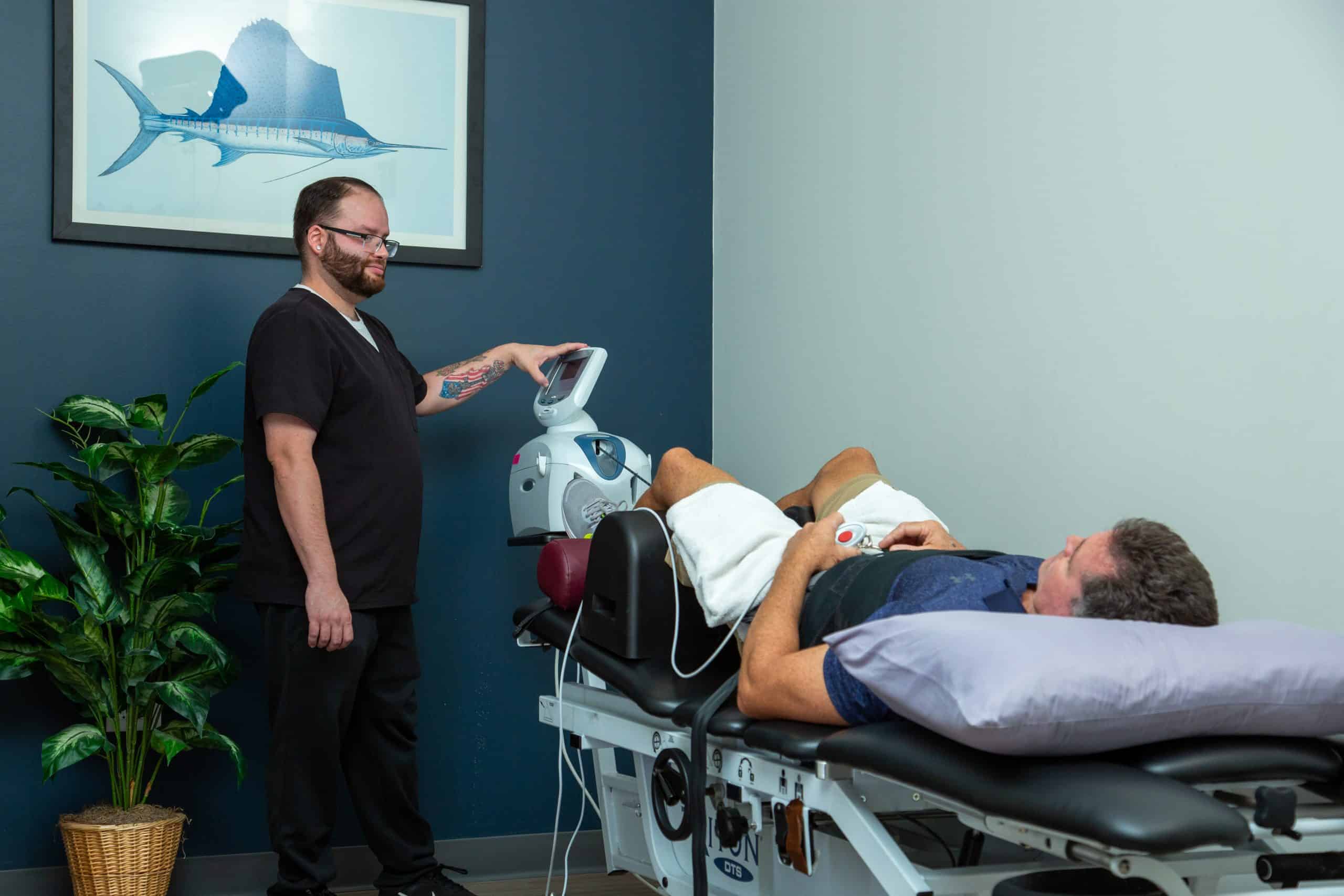
In Orlando, TMJ patients often benefit from clinics that combine primary care with chiropractic and integrative therapies. While every case is unique, working with a TMJ specialist in Orlando gives patients access to a range of non surgical options designed to reduce pain and improve jaw function.