When neck or back pain does not improve with rest, stretching, or basic care, many people start searching for non-surgical options for relief. One term that often comes up is non-surgical spinal decompression therapy. While it sounds technical, the goal behind it is straightforward and it’s to reduce pressure on the spine in a controlled, non-invasive way.
Non-surgical spinal decompression is commonly explored in connection with disc related pain, nerve irritation, and long standing stiffness. Many people though are still confused about what it does, who it helps, and when it is appropriate, keeping many patients unsure about whether it is worth considering.
This guide explains how non-surgical spinal decompression works, how it differs for neck pain versus lower back pain, and how it fits into a thoughtful care plan.
Why Patients Look Into Non-Surgical Spinal Decompression
Most patients do not search for spinal decompression as a first step. It usually comes after pain and discomfort has lingered or returned repeatedly. Neck pain that limits head movement or lower back pain that radiates into the hips or legs often signals that something deeper than muscle strain may be involved.
People want relief without surgery, lengthy recovery time, or reliance on medication. Non-surgical spinal decompression is often explored because it aims to relieve pressure on spinal discs and nerves rather than just masking pain symptoms.
What Non-Surgical Spinal Decompression Actually Is
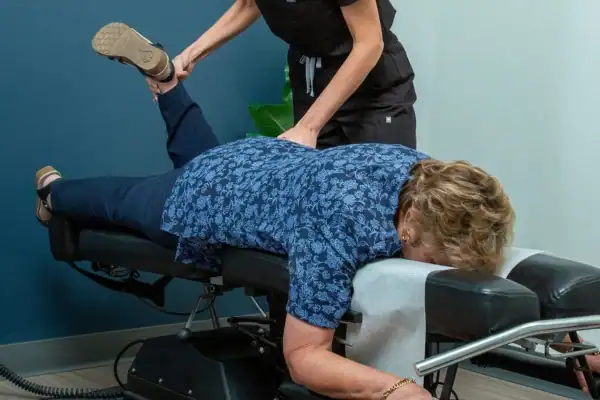
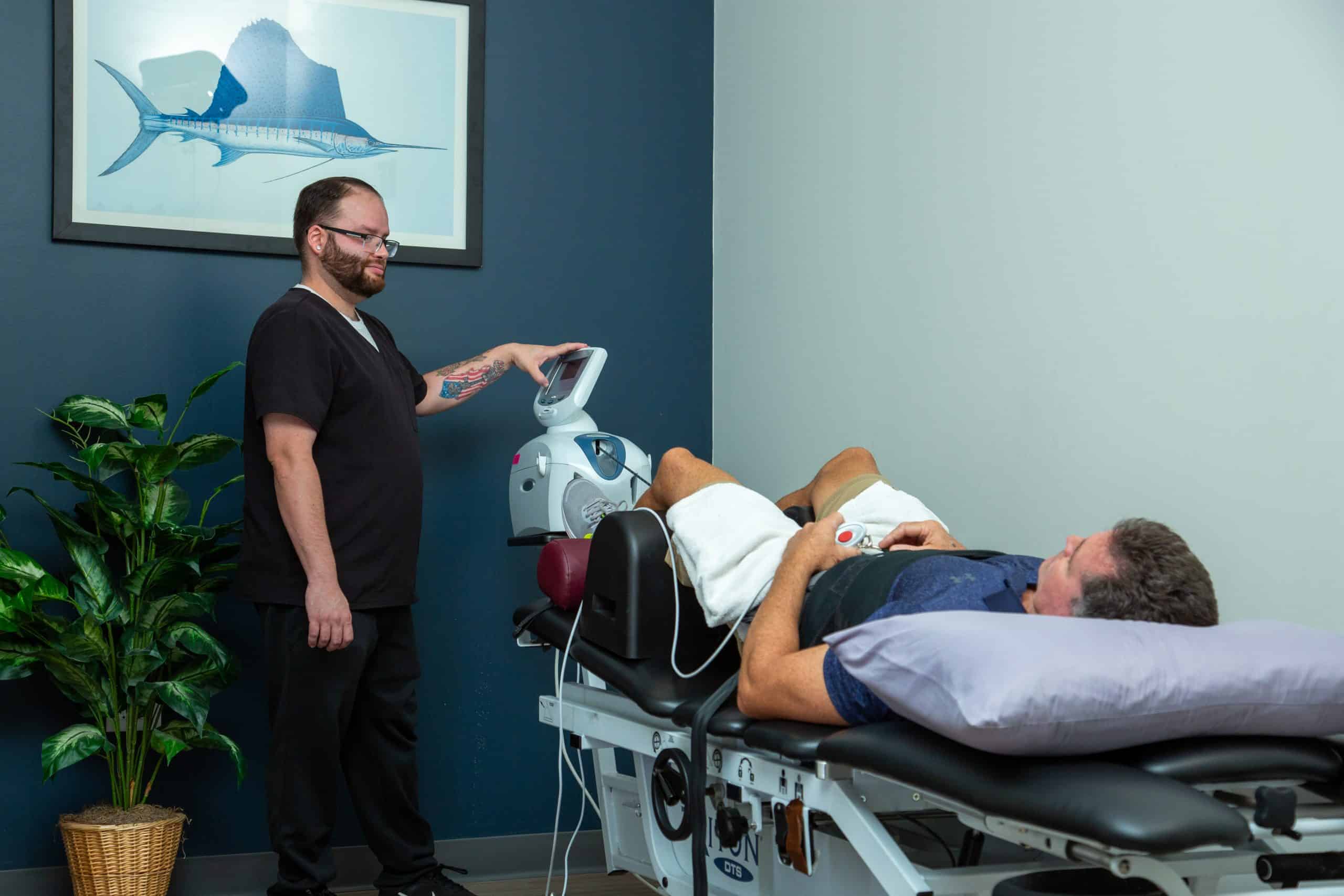
Non-surgical spinal decompression uses precise, computer guided movements to gently stretch the spine. This stretching changes pressure within the spinal discs, which may help reduce compression on nearby nerves. Unlike manual traction, decompression is carefully adjusted to the patient’s condition and comfort level. Treatment is performed while the patient remains fully clothed and relaxed on a specialized
The purpose is not forceful stretching, but the application of gradual pressure reduction that supports spinal structures without stressing them.
How Non-Surgical Spinal Decompression Works in Practice
During non-surgical spinal decompression therapy, the body is positioned to target either the cervical spine for neck related symptoms or the lumbar spine for lower back concerns. Gentle cycles of tension and relaxation are applied based on the patient’s evaluation.
This process may help create space between vertebrae, support disc hydration, and reduce nerve irritation. Many patients describe the sensation as a slow, controlled stretch rather than anything uncomfortable.
Conditions Commonly Treated With Spinal Decompression
Non-surgical spinal decompression is most often used for conditions involving disc pressure or nerve compression. These may include herniated discs, bulging discs, sciatica, pinched nerves, and chronic neck or lower back pain.
Neck related decompression focuses on reducing tension and compression in the cervical spine, which may help symptoms such as stiffness, limited rotation, or arm discomfort. Lower back decompression is often directed toward easing pressure that contributes to leg pain, numbness, or persistent lower back tightness.
Not every condition responds the same way, which is why proper evaluation is essential.
What Patients Typically Feel During Treatment
One of the biggest concerns patients have is whether spinal decompression hurts. Most people report that treatment feels gentle and controlled. Sessions are designed to stay within a comfortable range, and adjustments are made as needed.
Some patients notice temporary muscle soreness, similar to what can happen after stretching. Others feel relaxed during and after sessions. Progress tends to be gradual rather than immediate, especially for long standing conditions.
How Long It Usually Takes to See Results
Results vary depending on the condition, how long symptoms have been present, and whether the issue involves the neck or lower back. Some patients notice changes within the first few weeks, while others require a longer course of care.
Non-surgical spinal decompression is typically delivered over multiple sessions. This allows the spine to respond gradually and reduces the risk of aggravation.
When Spinal Decompression May Not Be Recommended
Spinal decompression is not appropriate for everyone. Certain spinal conditions, fractures, severe instability, or specific medical concerns may rule it out as an option.
This is why treatment should never be started without a proper exam. Understanding the cause of pain is more important than rushing into any single therapy.
Why Proper Evaluation Matters Before Starting Care
Neck pain and lower back pain can have very different causes, even when symptoms feel similar. A thorough evaluation helps determine whether decompression makes sense or if another conservative approach is more appropriate.
At Pavlik Health, care decisions are based on understanding the condition first, not fitting patients into a one size approach. This evaluation first mindset helps avoid unnecessary treatment and supports better long-term outcomes.
For patients who want to better understand the mechanics behind decompression, Pavlik Health also provides a deeper educational resource here:
https://pavlikhealth.com/how-does-spinal-decompression-work/
Common Misunderstandings About Spinal Decompression Therapy for Neck and Lower Back Pain
One common misunderstanding is that spinal decompression is the same for every patient. In reality, cervical decompression for neck pain and lumbar decompression for lower back pain are approached differently.
Another misconception is that one session is enough. Spinal decompression is a process, not a single event. Progress depends on consistency, condition severity, and how the body responds.
Some people also believe decompression replaces all other care. In most cases, it works best as part of a broader plan rather than a standalone solution.
What Happens After a Course of Spinal Decompression for Neck or Lower Back Conditions
After completing a course of spinal decompression, many patients transition into supportive care. For neck related cases, this may involve posture awareness, mobility work, or ergonomic adjustments. For lower back cases, strengthening and movement exercises are often emphasized.
The goal is to support spinal health and reduce the chance of symptoms returning. This step is especially important for long term improvement.
Deciding If Non-Surgical Spinal Decompression Therapy Is Right for You at Pavlik Health
Non-surgical spinal decompression therapy can be a useful option for certain neck and lower back conditions, but it is not meant for every situation. The most important step is understanding what is causing your symptoms and which approach fits best.
By focusing on evaluation, education, and conservative care, Pavlik Health helps patients make informed decisions rather than rushing into treatment. When spinal decompression makes sense, it is used thoughtfully as part of a plan designed around the individual.