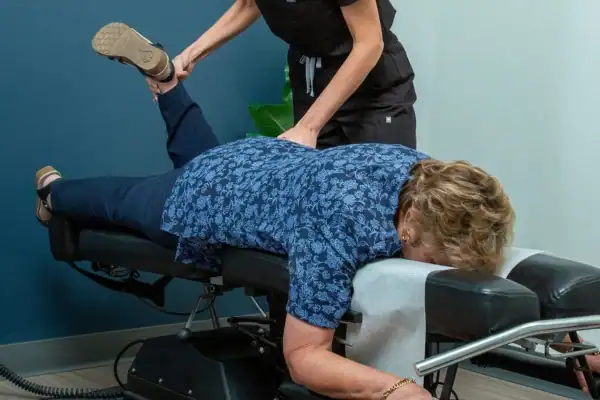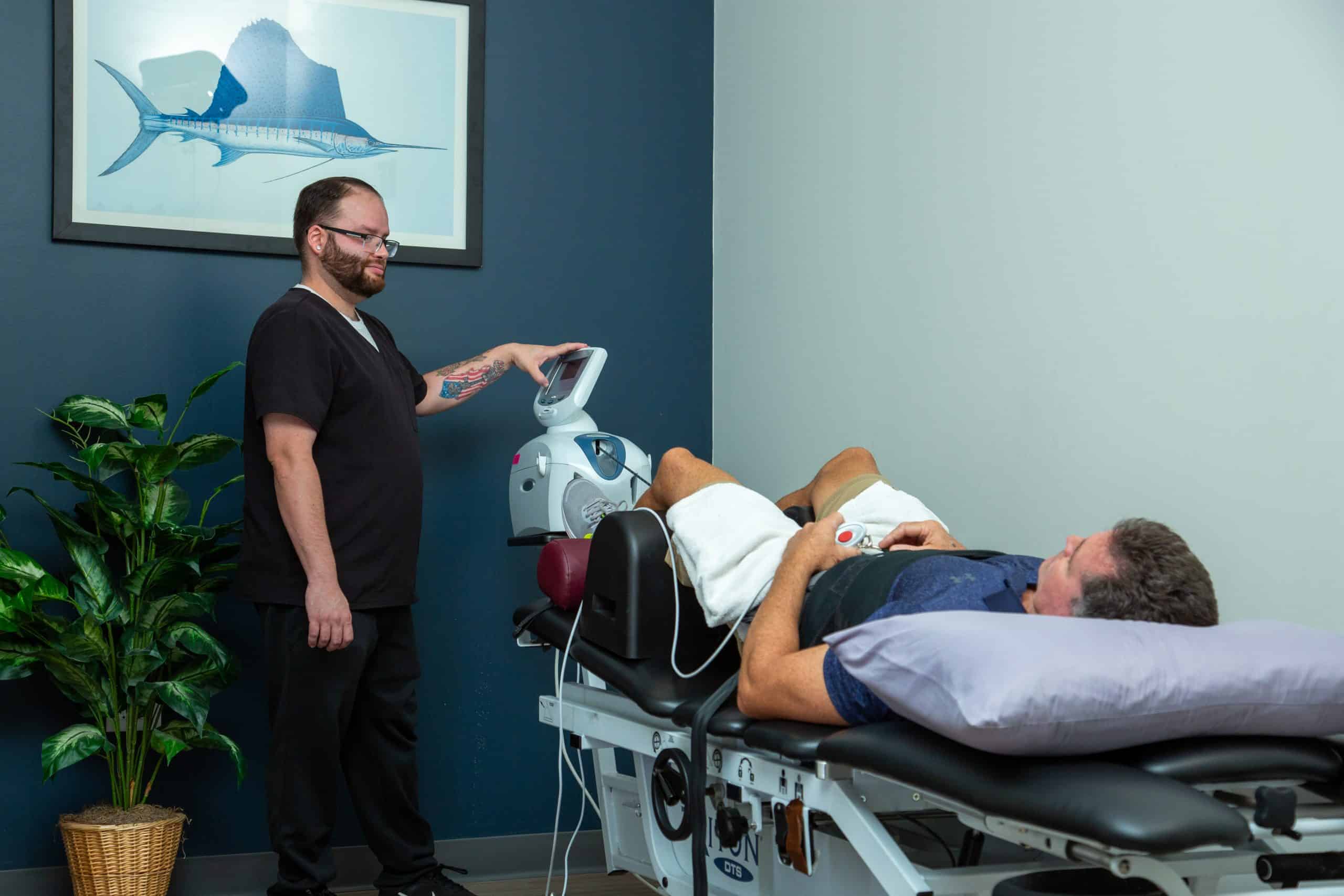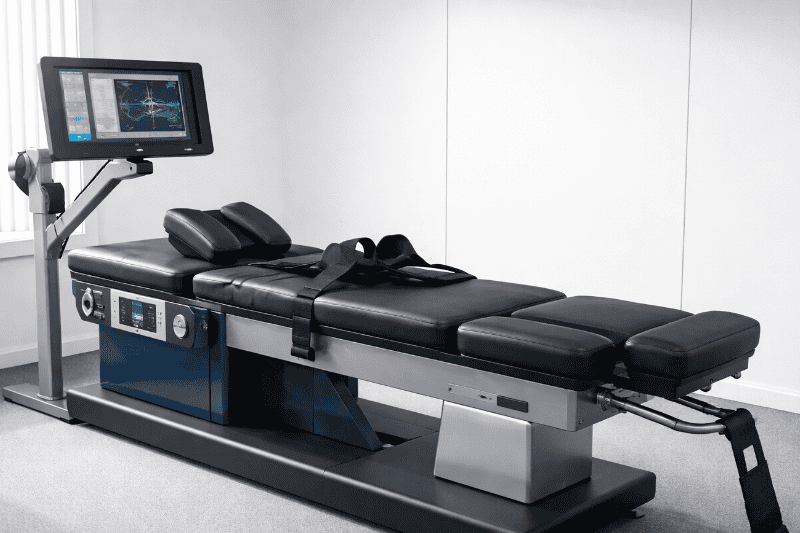
A spinal decompression table is a specialized device used during Spinal Decompression Therapy. This table gently moves the body and stretches the spine in a controlled manner. Sources describe spinal decompression therapy as a treatment that can help reduce back pain by relieving pressure on the nerves and discs through this gentle stretching. At Pavlik Health + Wellness, spinal decompression therapy is performed under the careful supervision of our licensed chiropractors to ensure the treatment is safe and effective.
What Does a Spinal Decompression Table Do During Treatment?
During treatment, the body is specifically positioned while the table helps apply a measured pull to decompress a targeted area of the spine. The goal is to stretch the spine to gently reduce pressure on discs, joints, and nerve roots without sudden or aggressive movement. Medical and clinical sources describe nonsurgical spinal decompression as a form of controlled motorized stretching rather than a forceful manual movement.
How the Table Gently Stretches the Spine
The table works by creating a repeated pattern of stretch and relaxation. As you lie on the table, a motorized, computer-managed pulling system carefully stretches and retracts your spine in a very controlled way. This pattern of movement helps prevent muscles from tightening up and allows deeper, more effective stretching of the spine. A spinal decompression table is used for non surgical spinal decompression, not decompression surgery. That distinction matters because people often use the term “decompression” broadly. Cleveland Clinic explains that spinal decompression can refer to different types of treatment, including nonsurgical care and surgical procedures.
How Pressure on Discs and Nerves Can Be Reduced
When the table gently stretches the spine, it increases the space between the vertebrae. This small separation can lower the pressure inside the spinal discs, which may allow bulging or herniated material to shift away from nearby nerves.
As pressure on the discs decreases, there is often less compression on the nerves that run through the spine. This can help reduce symptoms like pain, tingling, or numbness.
The stretching motion may also improve circulation around the discs, which supports the movement of fluids and nutrients. That process can contribute to reduced inflammation and better overall disc function.
What “Negative Pressure” in the Spinal Discs Means in Simple Terms
Negative pressure is one of the most common phrases used when explaining spinal decompression therapy. It refers to lowering pressure inside the disc during treatment. When the spinal decompression table gently stretches your spine, it slightly pulls the vertebrae apart. This creates a small vacuum effect inside the disc, which lowers the pressure and can draw in fluids, oxygen and nutrients. Think of it similar to a sponge. When a sponge is squeezed or compressed it cannot take in any additional fluid. As it is decompressed, it creates a vacuum or “negative pressure” that draws fluid inward.
What Happens During a Spinal Decompression Therapy Session
A session begins with the body’s positioning on the table. The patient lies on their back or stomach, depending on the area being treated. Supportive straps are then placed around the hips and sometimes the upper body to keep it secure.
How the Table Is Set Up for Treatment
The table is adjusted based on the patient’s height, weight, and condition. This ensures that the force applied is safe and targeted to the right part of the spine.
What the Stretching Motion Feels Like
Most people feel a mild, rhythmic stretch. It should not be painful or feel like a forceful pull. Many patients describe it as relieving or relaxing.
How Long a Session Usually Lasts
Session length can vary but typically last 22 to 25 minutes.
What a Spinal Decompression Table Can and Cannot Do
As part of spinal decompression therapy, the spinal decompression table can help relieve pressure on discs and nerves. This can decrease pain, support disc health and improve mobility. While results vary by patient, a spinal decompression table cannot fix any spinal damage instantly or treat every cause of back pain. Overall, the table can be a helpful tool for managing certain types of back pain, but it works best as part of a broader treatment plan, not as a standalone solution.
Why Evaluation Matters Before Treatment
Before starting spinal decompression therapy, a proper evaluation is essential to make sure the treatment is safe and appropriate for use. An evaluation from a licensed chiropractor will help to confirm the real cause of your pain and help rule out conditions such as fractures that make decompression therapy unsafe.
Common Conditions That May Lead Someone to Try Spinal Decompression Therapy
People often look into spinal decompression therapy when symptoms suggest disc pressure or nerve irritation. These conditions may include herniated discs, bulging discs, sciatica, pinched nerves, and certain forms of degenerative disc disease.
Herniated or Bulging Discs
Herniated and bulging discs occur when a disc pushes out of its normal position through either protrusion or rupture and presses on the nearby nerves. Spinal Decompression Therapy aims to reduce the pressure and relieve the pain.
Sciatica
This occurs when the sciatic nerve is compressed, often causing pain that travels from the lower back down the leg. Since sciatica often involves irritation of a spinal nerve root, spinal decompression therapy aims to stretch and reduce that nerve irritation.
Degenerative Disc Related Pain
As spinal discs wear down over time, they can lose height and flexibility. While spinal decompression therapy can help reduce stress on those discs, the source of pain can vary so a provider assessment matters before deciding if this kind of treatment makes sense.
Is a Spinal Decompression Table the Same as an Inversion Table?
No. A spinal decompression table and an inversion table are not the same, even though they both aim to stretch the spine. Inversion tables differ as they are not motorized and not designed to target specific areas of the spine. Where a spinal decompression table uses computers to apply precise, adjustable weight to decompress the spine; inversion tables use gravity and your bodyweight to create the stretch.
Who May Not Be a Good Candidate for Spinal Decompression Therapy?
Spinal decompression therapy is not appropriate for everyone. Certain conditions can make the treatment unsafe or less effective. Some conditions such as severe spinal instability or osteoporosis and circumstances like spinal fractures may call for a different treatment path. This is why a proper evaluation is critical before starting treatment. A qualified provider should review your medical history and determine whether spinal decompression is safe for your specific situation.
Questions to Ask Before Starting Spinal Decompression Therapy
If you are considering spinal decompression therapy, it helps to ask practical questions before starting. What is causing the pressure or pain? How many sessions are usually recommended? What should you expect during treatment? What results are realistic in your case? These are important for you to understand as you undergo treatment to help evaluate the results. To learn more about how Spinal Decompression Therapy may fit into your treatment plan, visit our service page.