If you’ve been exploring non surgical treatments for back pain, you’ve probably come across spinal decompression therapy. But with all the online information and misinformation it’s easy to feel confused about what this treatment actually does.
Spinal decompression is a non-invasive therapy designed to relieve pressure on the spinal discs and nerves. Despite its growing popularity, there are several myths and misconceptions that prevent people from trying it. In this article, we’ll break down the most common myths, clarify the facts, and help you understand how this treatment can fit into a comprehensive plan for spinal health.
Myth 1: Spinal Decompression Is Painful
One of the most common fears people have is that spinal decompression will hurt. The idea of having your spine “stretched” sounds intimidating, but the truth is very different.
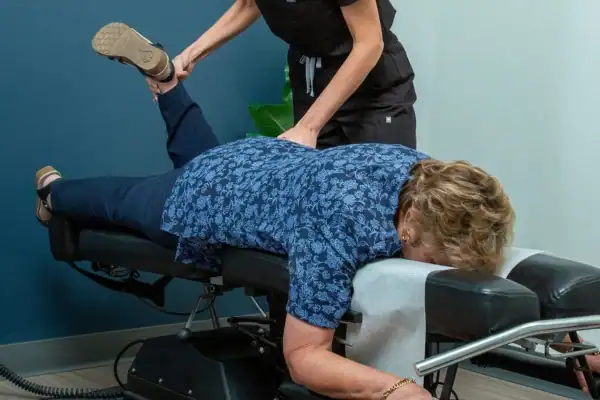
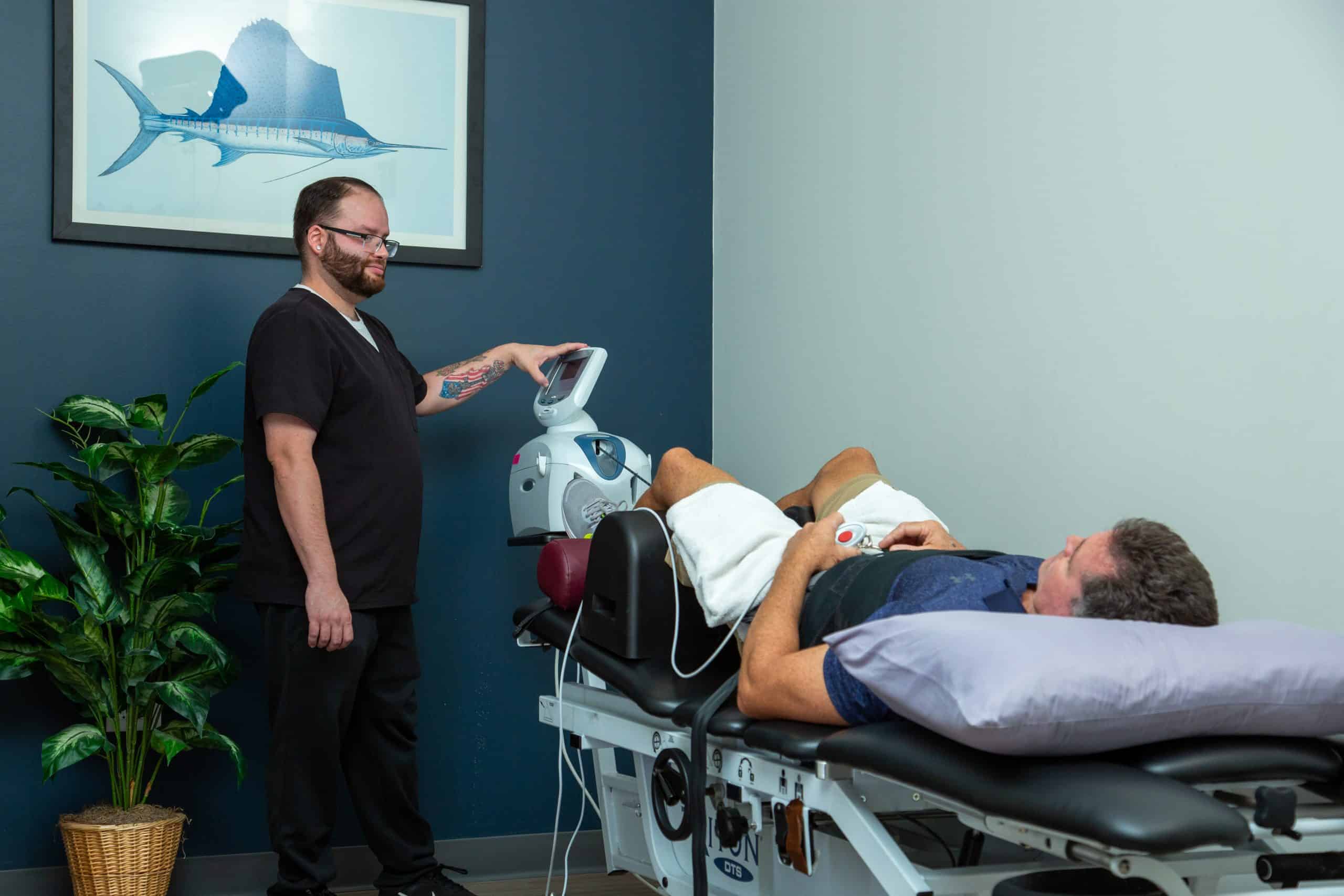
Modern decompression machines are designed to apply controlled, gentle distraction to the spine. Most patients report feeling comfortable during sessions, and some even describe it as relaxing. Trained chiropractors adjust the settings to the patient’s comfort level, ensuring safety throughout the procedure.
Many patients find that the sensation is more like a gentle stretch than anything painful.
This means you can experience the benefits of spinal decompression without the fear of discomfort.
Myth 2: It’s Only for Severe Back Problems or Surgery Candidates
Another misconception is that spinal decompression is reserved for people with severe spinal injuries or those considering surgery. In reality, this therapy can help a wide range of patients from those with mild back pain to those with herniated discs or sciatica.
Spinal decompression can reduce pressure on spinal nerves, improve circulation to discs, and relieve discomfort even in moderate cases. Early intervention can often prevent the problem from worsening and may reduce the need for more invasive procedures later on.
If you’re in Orlando and considering professional guidance, consulting with a spinal decompression chiropractor in Orlando can help determine if this treatment is suitable for your condition.
Myth 3: Results Are Immediate
Many people expect spinal decompression to provide instant relief, but it’s important to understand that lasting results usually take time. Most patients require multiple sessions to experience meaningful improvement.
Recovery is gradual because the therapy is working to restore disc health, reduce nerve pressure, and promote proper spinal alignment. Immediate relief is possible for some, but the full benefit generally builds over several weeks of consistent treatment.
This is why chiropractors often combine spinal decompression with exercises, posture correction, and lifestyle adjustments; a holistic approach enhances long term results.
Myth 4: It Works Alone Without Lifestyle Changes or Therapy
Some assume that spinal decompression is a “magic fix” that works on its own. While the therapy can be highly effective, it achieves the best results when paired with complementary care.
Incorporating targeted exercises, core strengthening, posture improvement, and proper ergonomics amplifies the benefits of spinal decompression. Think of it as one piece of a larger spinal wellness puzzle rather than a standalone solution.
To understand the treatment process more deeply, you can also check how spinal decompression works for a step-by-step overview.
Myth 5: There’s No Scientific Evidence Supporting It
Some skeptics claim that spinal decompression lacks scientific backing. While it’s true that no therapy is 100% guaranteed, several studies support its use for certain spinal conditions, including herniated discs, bulging discs, and nerve compression.
Clinical evidence shows that decompression therapy can reduce pain, improve mobility, and decrease reliance on medication for many patients. Of course, results vary depending on the individual, their condition, and adherence to a recommended treatment plan.
Several studies and medical resources support its use for spinal conditions like herniated or bulging discs (Mayo Clinic).
Myth 6: It’s Expensive and Not Cost Effective
Cost can be a concern, and some people assume spinal decompression is prohibitively expensive. While sessions do have a price, they are often more affordable than surgical alternatives, and many patients see meaningful improvements without resorting to invasive procedures.
Some clinics may also offer insurance coverage or flexible payment options, making the treatment more accessible. Compared to long term medication use or surgery, decompression can be a smart investment in spinal health.
Myth 7: It’s Risky or Unsafe
Fear about safety is common after all, people are wary of anything involving their spine. However, when performed by a trained chiropractor, spinal decompression is generally considered low risk.
Most patients tolerate the therapy well, and serious complications are rare. Clinics will screen patients beforehand to ensure the treatment is appropriate, taking into account medical history and specific conditions. Choosing a certified provider for spinal decompression is the best way to ensure a safe experience.
How to Decide If Spinal Decompression Is Right for You
If you’re considering spinal decompression, the first step is an evaluation by a licensed professional. They can determine whether your condition is suitable for the therapy and develop a personalized plan.
Many patients benefit from a combination of spinal decompression, physical therapy, and lifestyle adjustments. This integrated approach helps relieve pain, improve function, and support long term spinal health.
Talk to a Spinal Decompression Chiropractor at Pavlik Health
Spinal decompression therapy is often misunderstood due to myths and misconceptions. It’s not painful, not reserved for severe cases, and works best as part of a comprehensive treatment plan. Scientific evidence supports its use, and with proper guidance, it can be a safe, effective way to improve spinal health.
If you’re ready to explore whether spinal decompression can help you, consider consulting a spinal decompression chiropractor in Orlando to discuss your options and develop a plan tailored to your needs.